
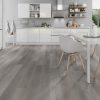
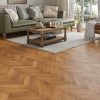
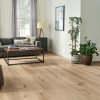
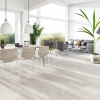
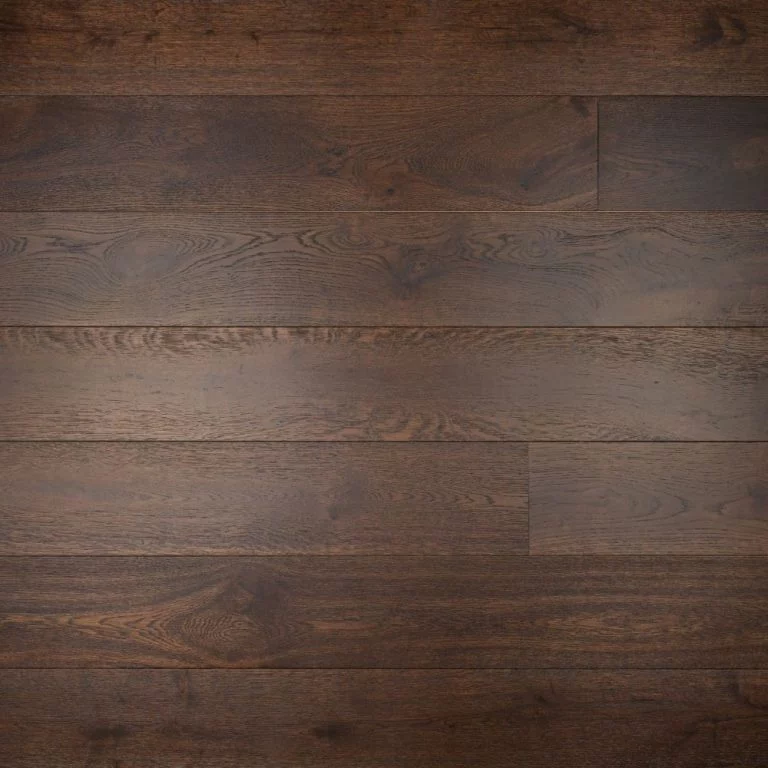
Dark Oak Engineered Wood Flooring
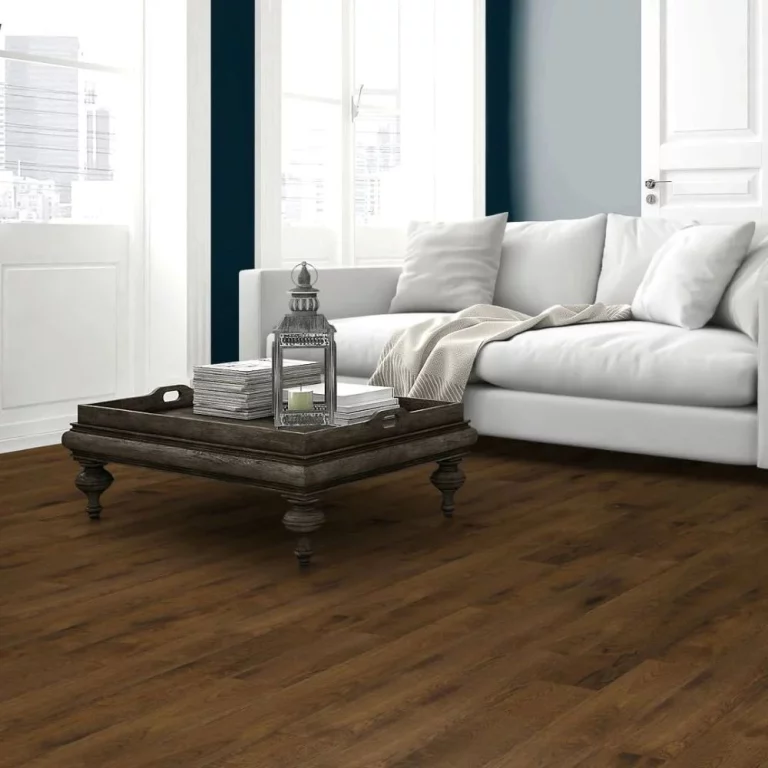
Bold depth with refined elegance. Dark oak brings rich tones, natural character and strong visual contrast into your home. A premium choice for modern, classic or boutique inspired interiors with warmth, drama and lasting style.
Shop Dark Oak
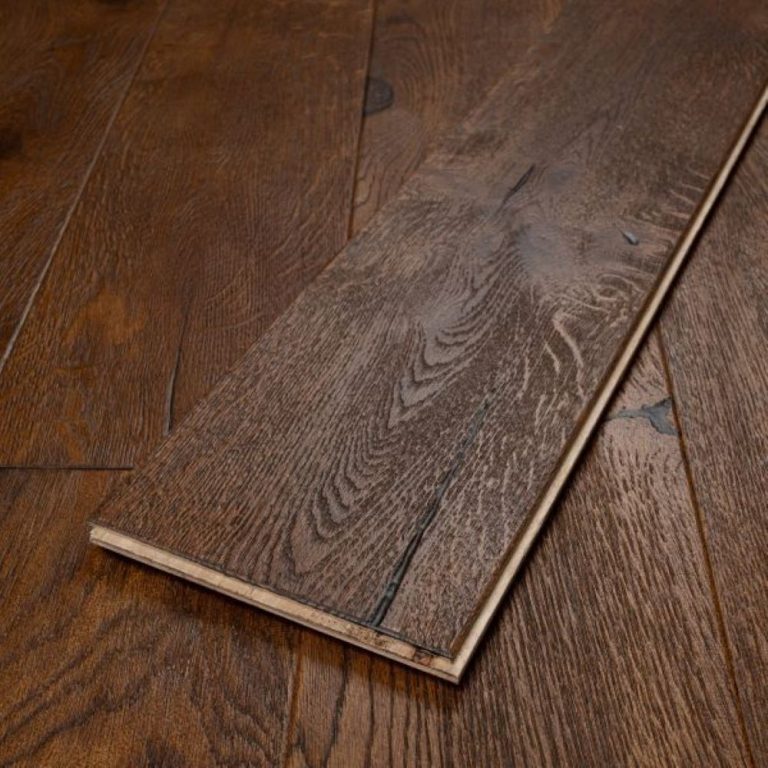
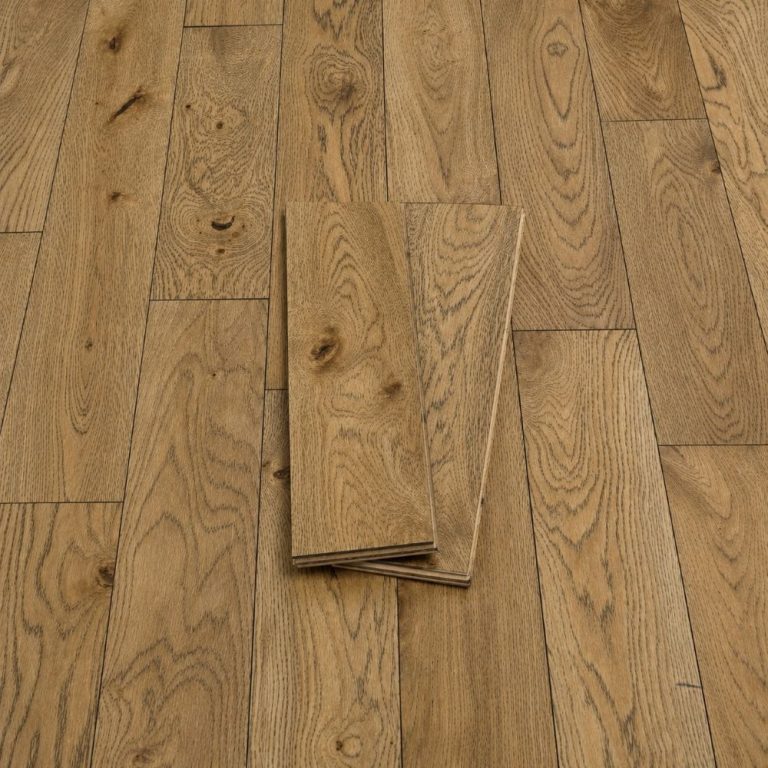
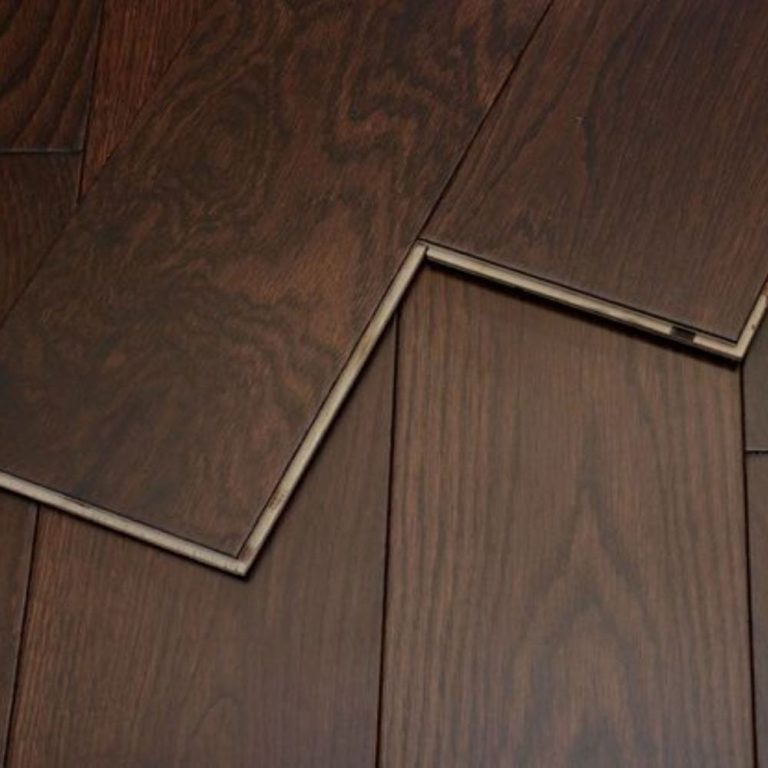
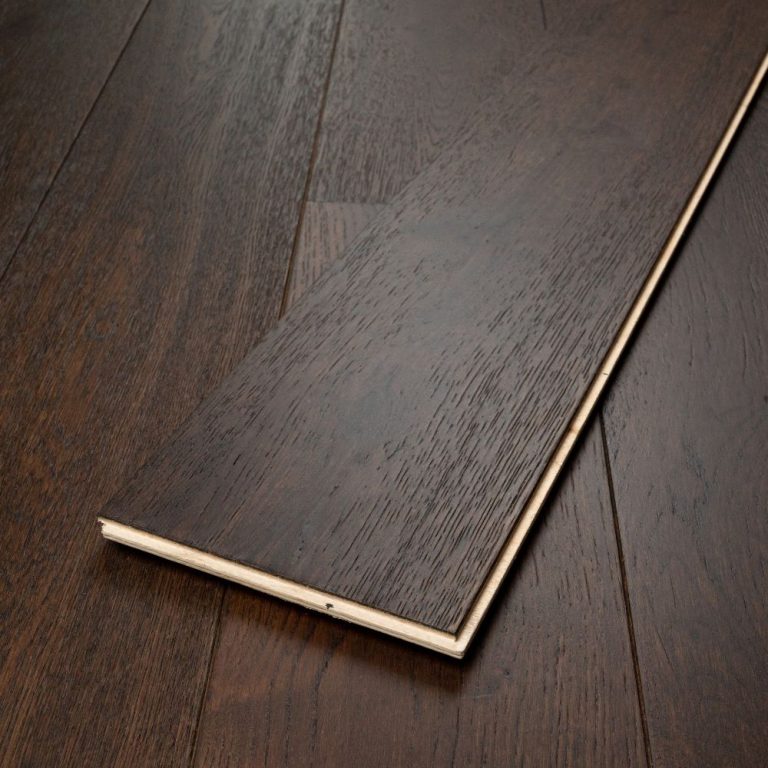
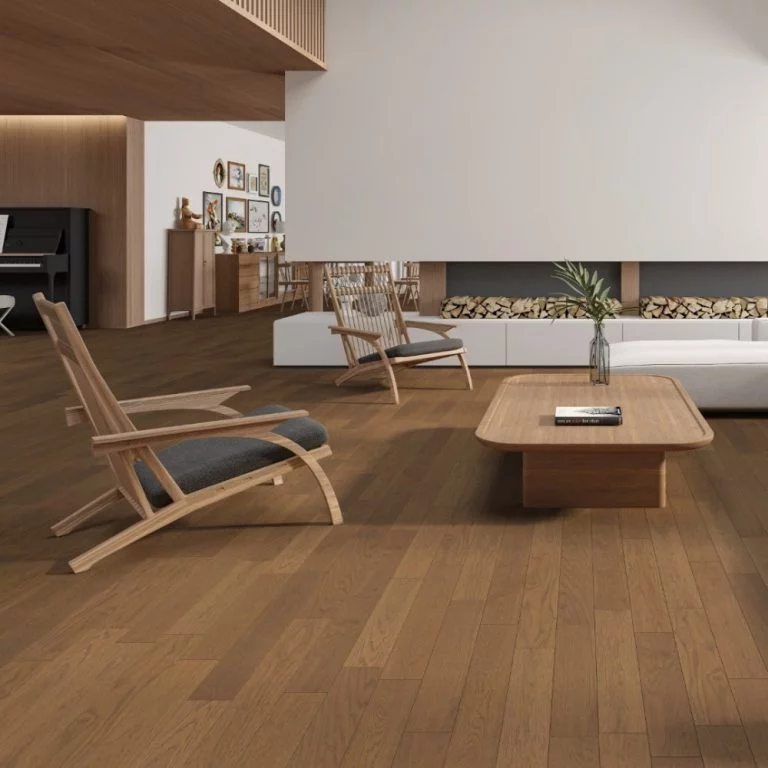
“A real oak surface over a cross-laminated core. This is the version of oak that lives happily over underfloor heating.”
— our flooring team
Dark OakThe look
Still unsure? Real people, honest advice.
The look
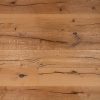
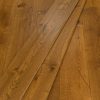
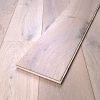
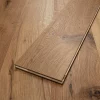
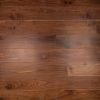
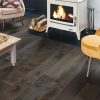
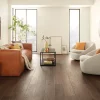
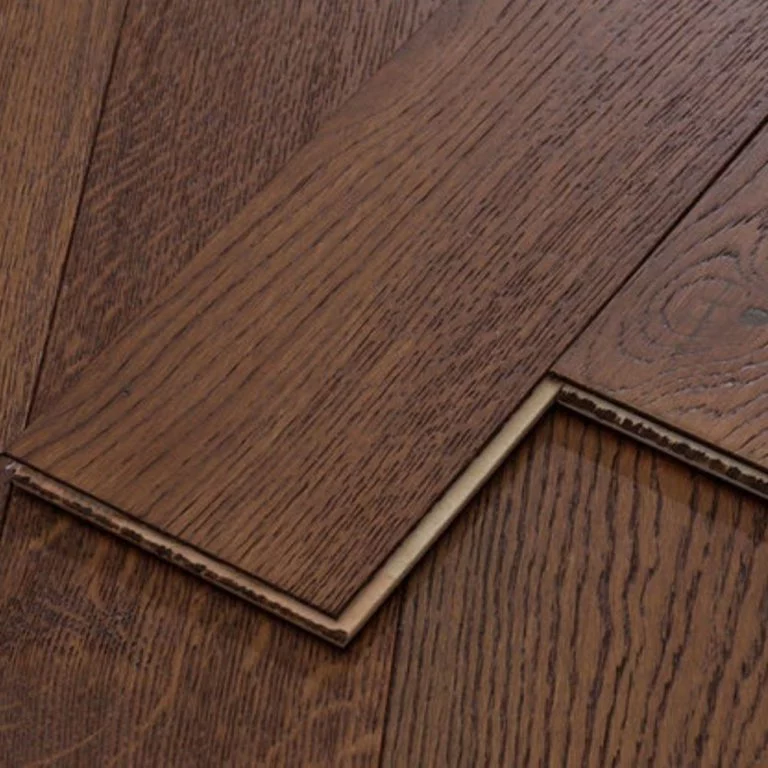
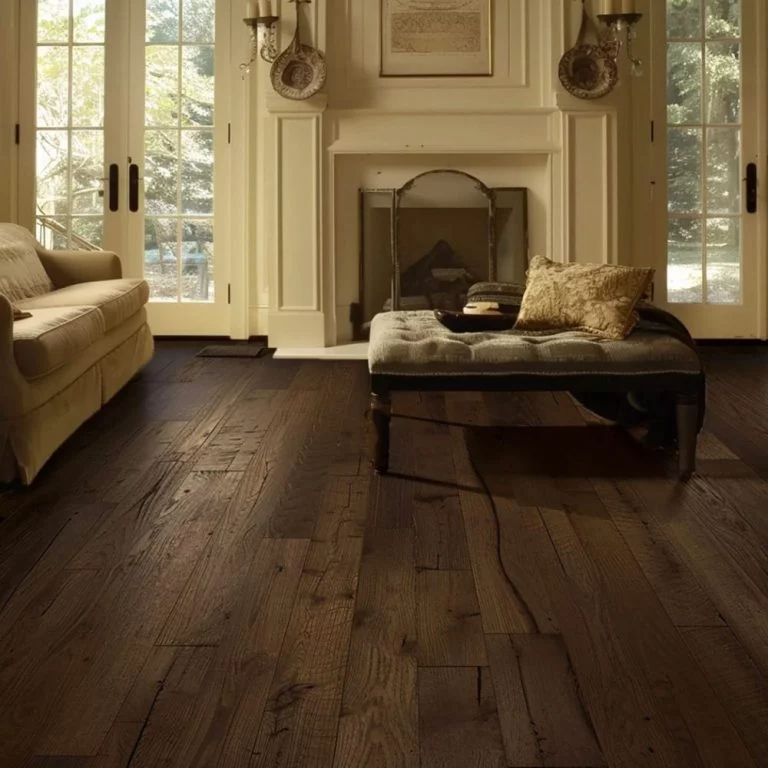
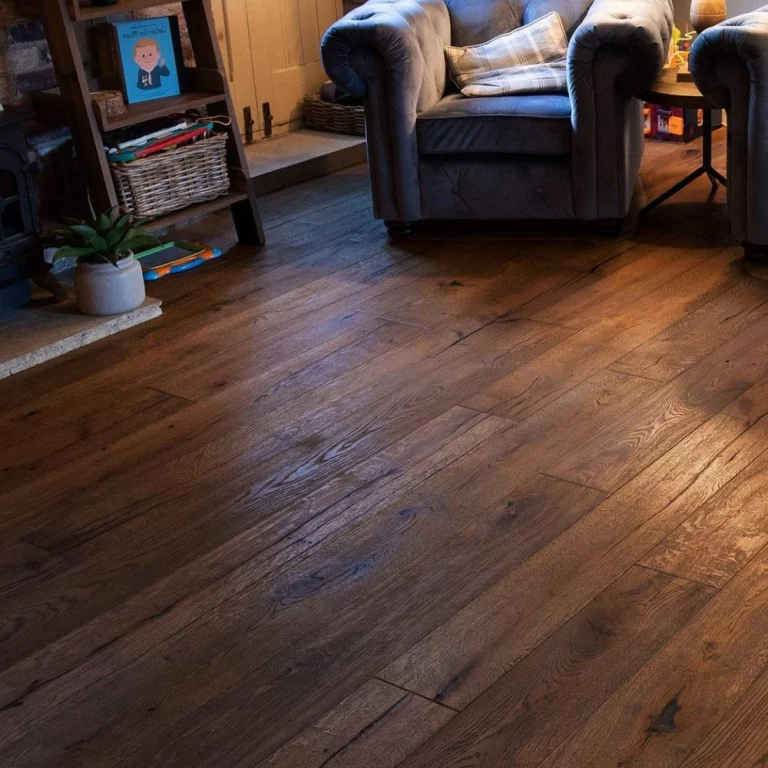
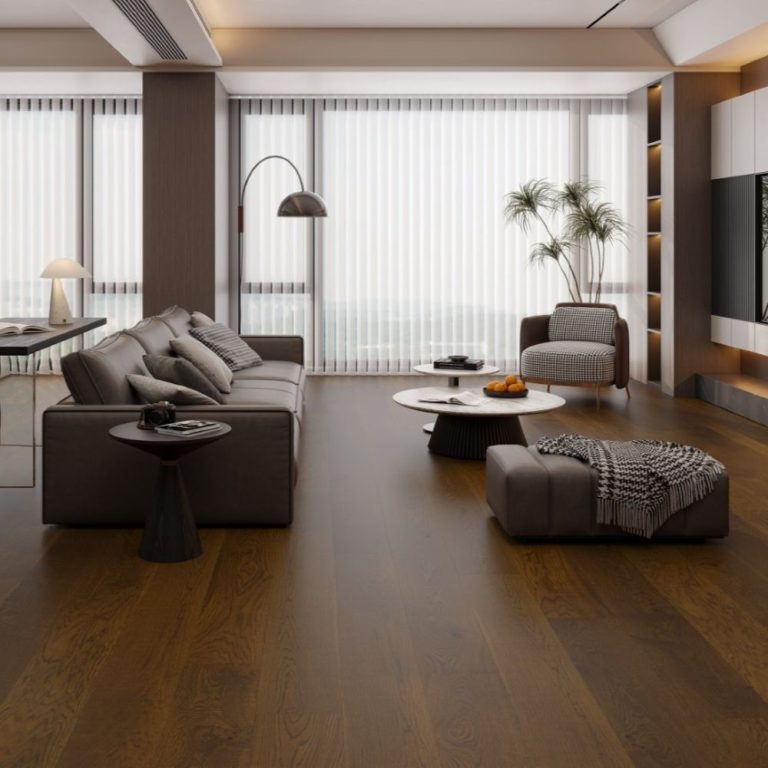
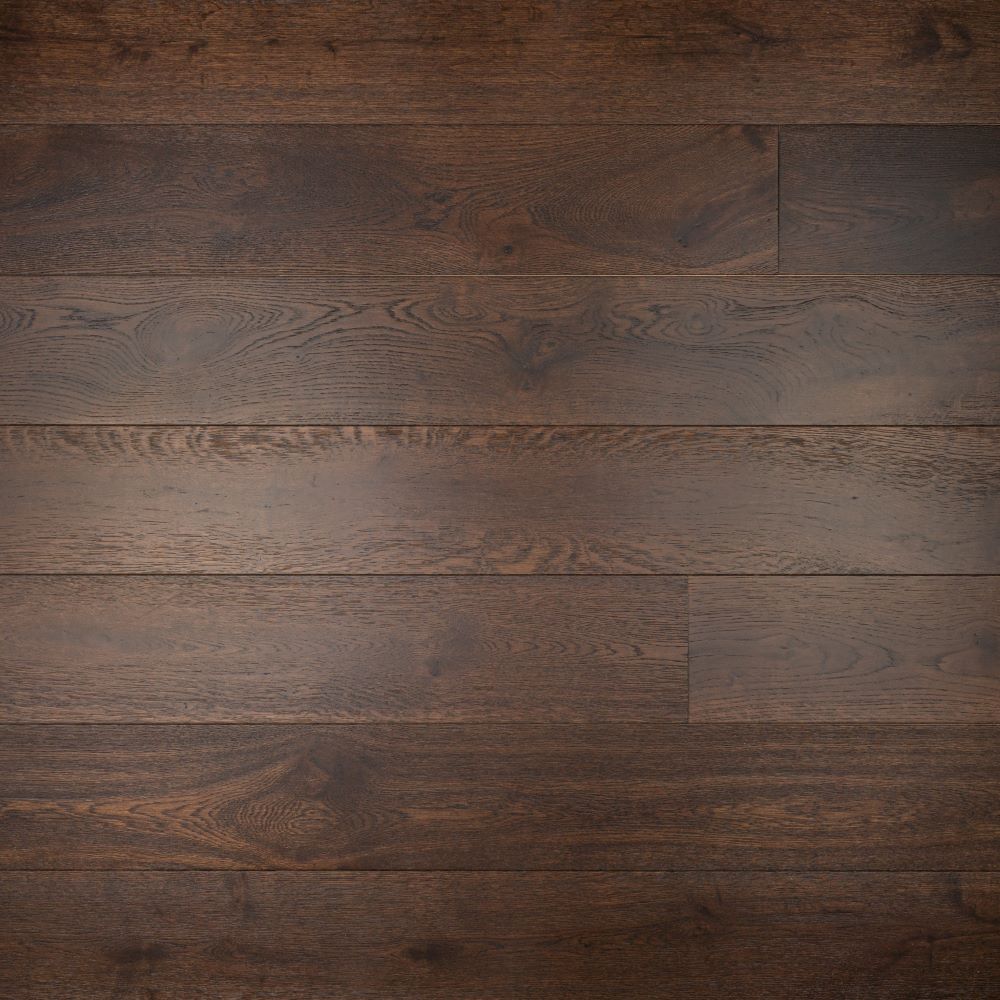
Dark Oak is engineered oak stained or smoked into coffee, whisky, hazelnut and near-black tones. There are 11 boards in three widths and four finishes, oiled, UV oiled, matt lacquered or UV lacquered; ten are brushed or deep brushed, one is smooth.
Depth needs light
Brushed, with one exception
Four finishes, one colour
In depth
Choosing dark engineered oak
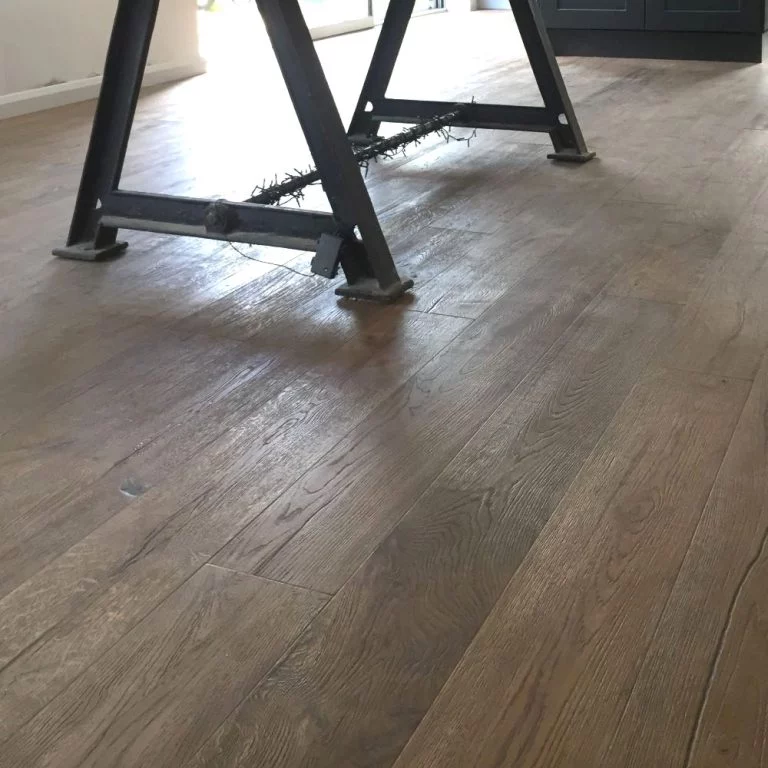
Dark oak is a family of tones rather than one colour. In this range the warm end is Coffee, Whisky and Hazelnut, the cool end is Smoky, Twilight Timber and Dark, and the Victorian Antique Light Brown and Distressed boards sit between them with an aged, mixed surface. Cobham Walnut Stained and Ascot Cottage, listed by their colour as dark oak and smoked oak, make up the 11. Hold the samples against the wall colour you have, not the one in the photograph: a coffee board next to a warm white wall and the same board next to a cool grey wall look like two different floors.
Ten of the boards are brushed, and that is not a coincidence. A smooth dark floor is the hardest floor to keep looking clean, because every speck of dust and every fine scratch shows pale against it. Brushing lifts the grain into a texture that hides both; the smooth Cobham Walnut Stained board is the one to choose with that in mind. The finishes then decide how the floor is looked after: hard wax oil on the four Victorian Antique boards; UV oil on three boards; matt lacquer on Ascot Coffee, Ascot Whisky and Weybridge Coffee; UV lacquer on Cobham Walnut Stained. Oil can be topped up locally; lacquer wears harder but is refinished as a whole floor.
In practice
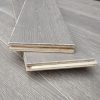
Formats run from the 125 mm wide Ascot boards in random lengths, through the two 150 mm Cobham boards, to the 190 mm by 1900 mm Weybridge and Victorian Antique planks. Wear layers are 3 mm on all of them except the two 20 mm Victorian Antique boards, which carry 6 mm and a 20 year manufacturer's warranty against 15 years on the rest. All are tongue and groove, micro-bevelled, and listed as compatible with underfloor heating.
If the room is small or lit from one side, the light oak and natural oak ranges are the honest alternative; a dark floor there is a choice you make with your eyes open. If the room is large or well lit, a dark floor gives it the anchor that pale schemes often lack.
FAQ
Do dark oak floors show dust?
Is the colour stained on or right through the board?
Which dark board is the most forgiving in a busy hallway?
How do I order the right amount?
Do you deliver UK-wide and can I get a sample first?
Standards
What the published standards say
Each entry is quoted from its source and linked to it. The full set is in the standards reference.
Wood over underfloor heating
UK trade-association guidance sets no blanket ban on wood over underfloor heating but ties it to a temperature limit, noting that some hardwood floor finishes are installed with a maximum floor surface temperature of 27 °C.
| maximum floor surface temperature for some hardwood finishes | 27 °C |
|---|
“For example, some hardwood floor finishes are installed with a maximum floor surface temperature of 27°C.”
Source: CFA Guidance Document — Beyond Installation: Guidance on Underfloor Heating (Contract Flooring Association)Cleaning — the manufacturers’ own guidance
For multilayer modular floor coverings the MMFA requires low-moisture cleaning methods and states that pooling of liquid on the floor must be avoided under all circumstances.
“Absolutely avoid ponding in any case!”
Source: Basic cleaning — MMFA (Multilayer Modular Flooring Association)Related looks
More engineered wood looks
 9 floorsAntique Oak
 3 floorsGolden Oak
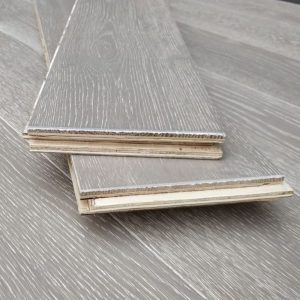 6 floorsGrey Oak
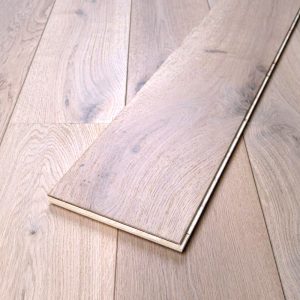 2 floorsLight Oak
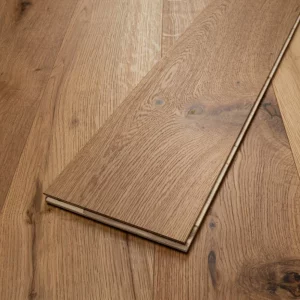 12 floorsNatural Oak
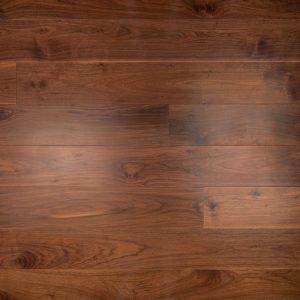 4 floorsWalnut
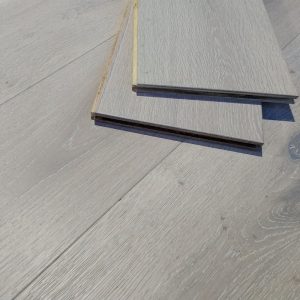 3 floorsWhite Oak
The same look in other floors
Delivery & areas