




Solid Wood Flooring
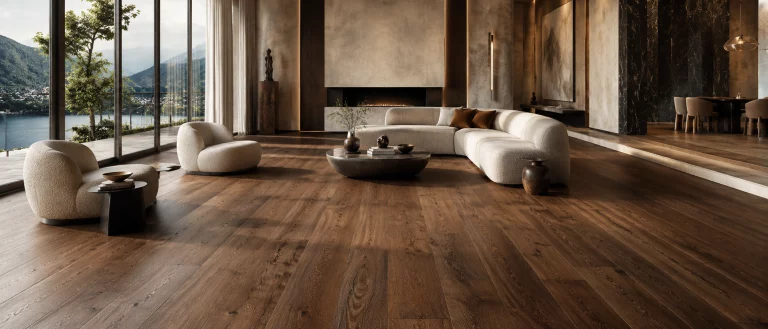
Pure timber with lasting value. Solid wood flooring brings authentic grain, natural warmth and premium craftsmanship into your home. Choose from rich tones and finishes for a timeless floor that ages beautifully and can be refinished for years to come.
Shop Solid Wood
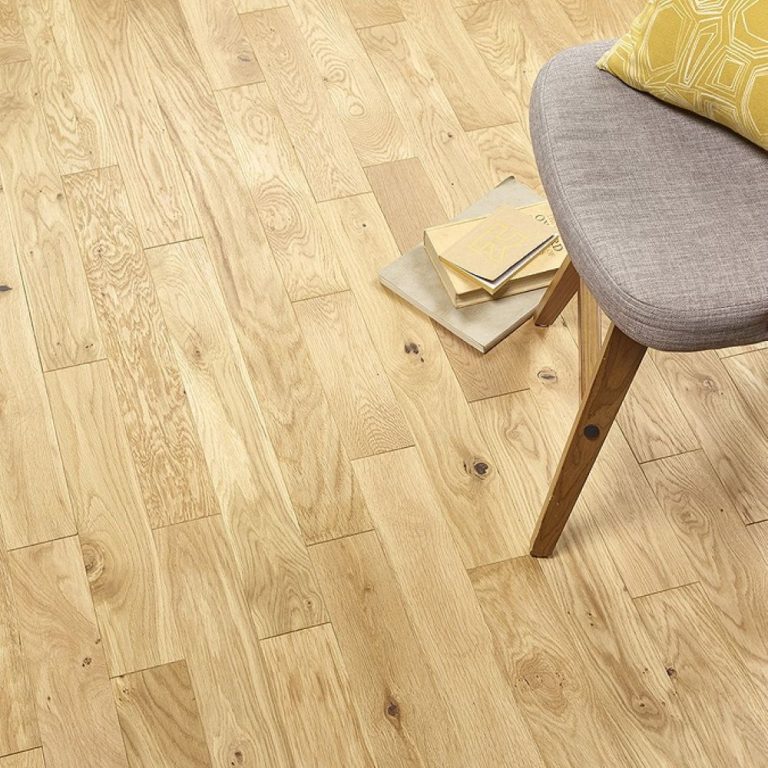
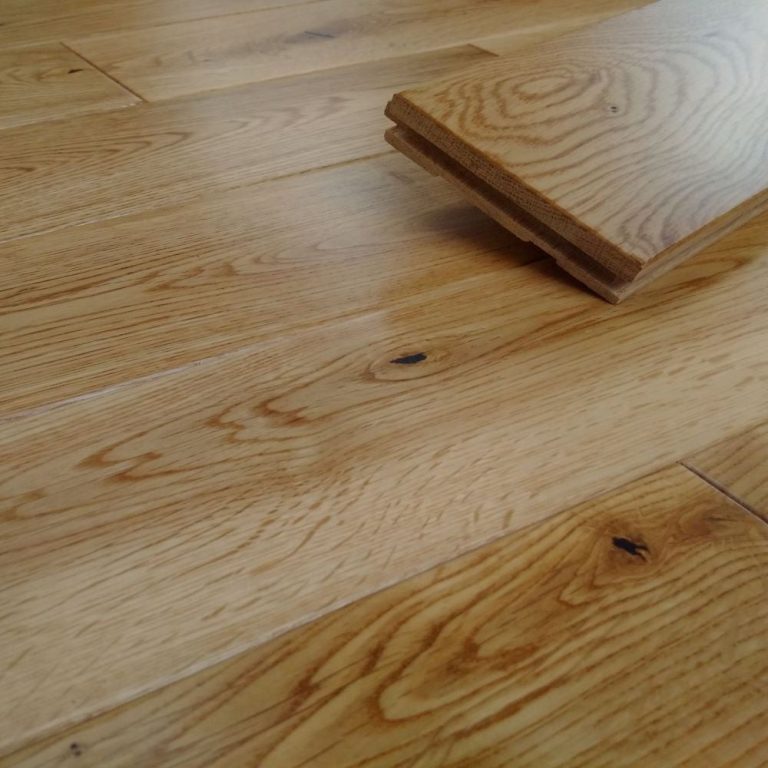
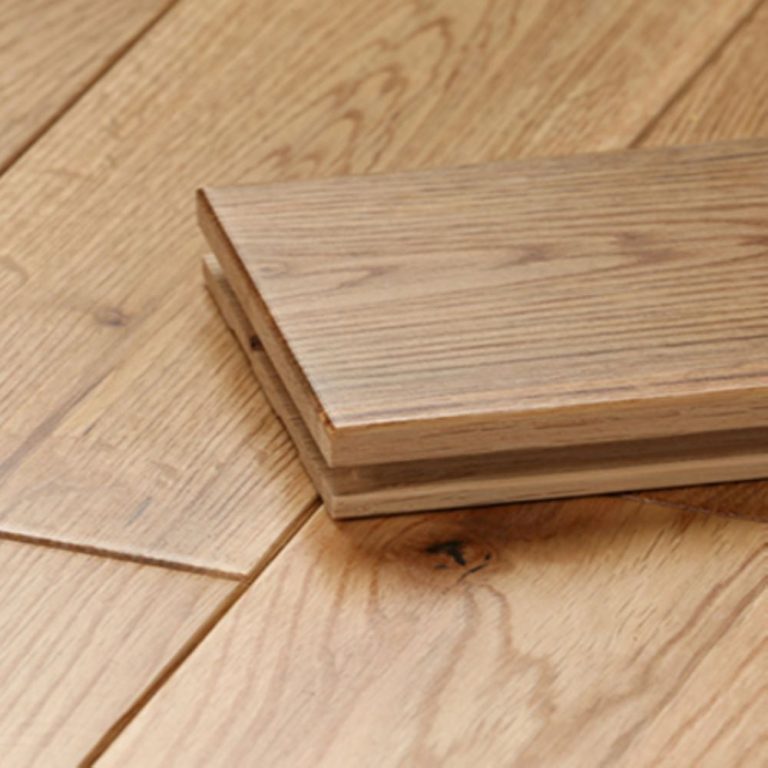
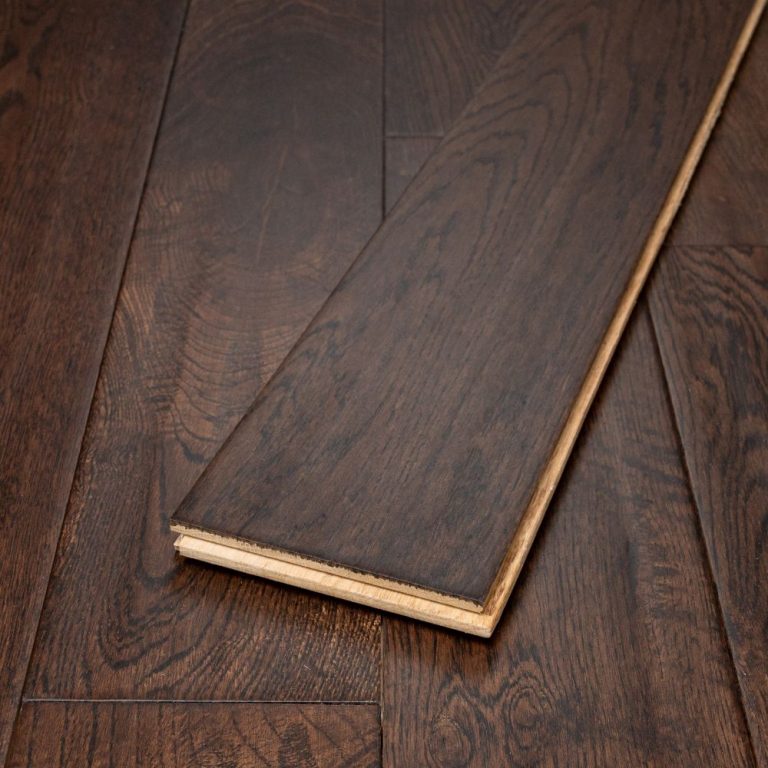
“One piece of oak, top to bottom. The floor people sand back and keep for generations.”
— our flooring team
Solid WoodBuying guide
Still unsure? Real people, honest advice.
Buying guide
A few simple decisions—finish, format and where it’ll live—make choosing your solid wood straightforward.
Best for heritage character
Best for period properties
Best sanding reserve
In depth
How to choose solid oak
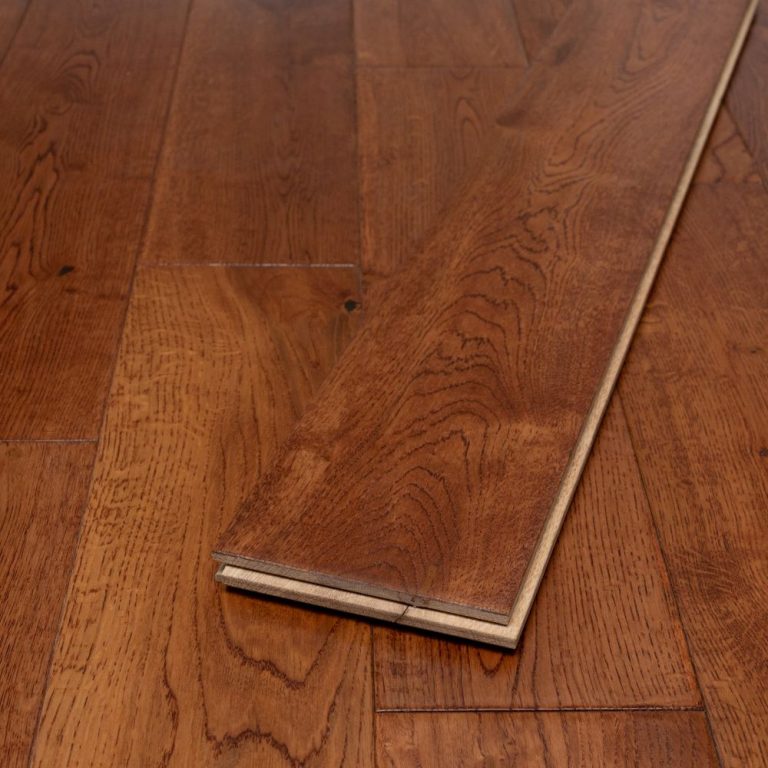
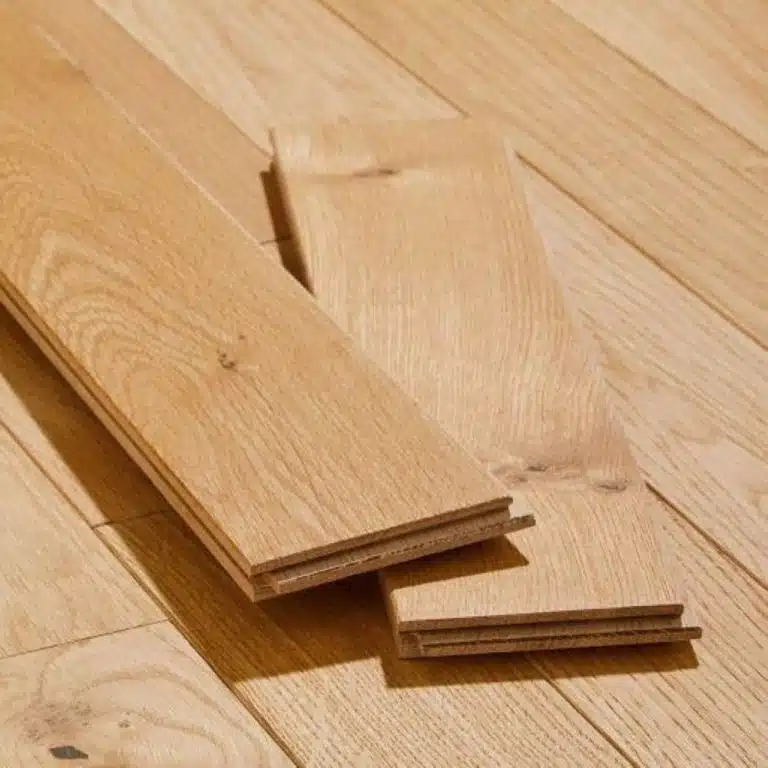
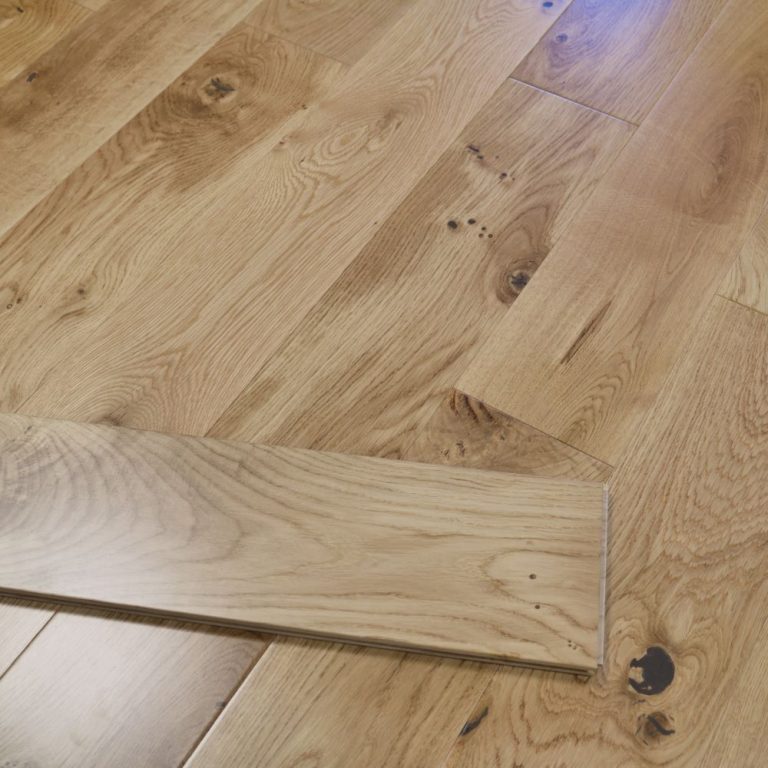
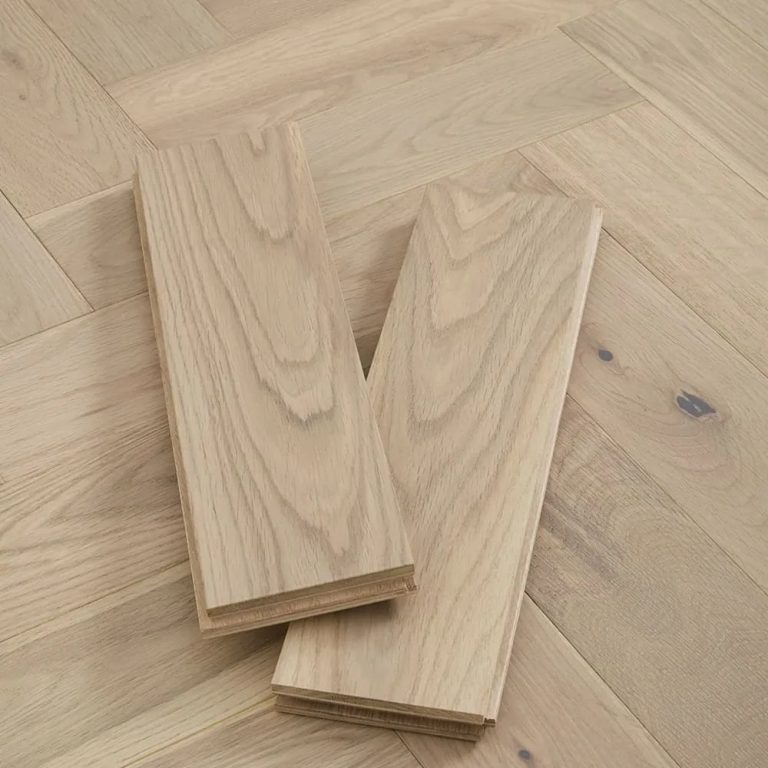
Solid oak is the floor with the fewest parts: 18 mm of European oak, tongue and groove, micro-bevelled, Rustic grade, with a 20 year manufacturer's warranty on every one of the 15 products in the range. Eleven are Windsor planks in three widths and four are Marlow parquet blocks at 90 mm by 300 mm. There is no core, no wear layer and no bonded construction; the board is oak from the surface to the subfloor, which is why it can be sanded and refinished for as long as the tongue holds, and why it moves.
That movement is the whole decision. Solid oak takes on moisture and gives it up with the seasons, more than an engineered board does, and it does so across the width of the plank. In a house with a stable climate, on a dry subfloor, with the boards acclimatised before laying, a solid floor stays flat for decades. In a house with underfloor heating, none of the 15 products is listed as compatible, and the engineered range is the answer. The product standard for solid parquet elements, the UK moisture reading for a subfloor under solid timber, and the trade guidance on acclimatisation are quoted below; between them they describe the conditions a solid floor needs.
Shop by shade

In practice
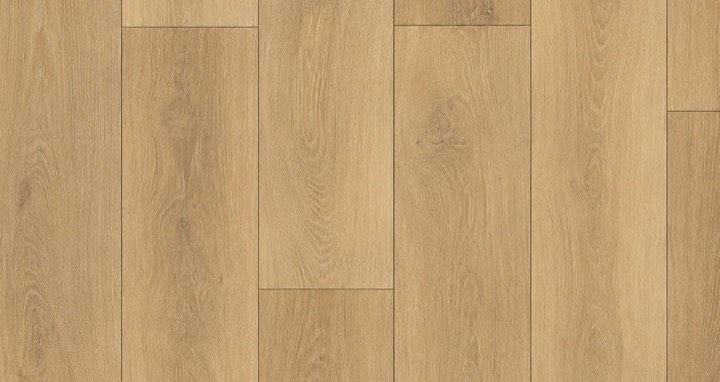
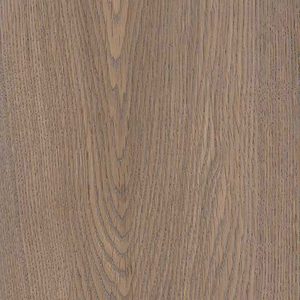
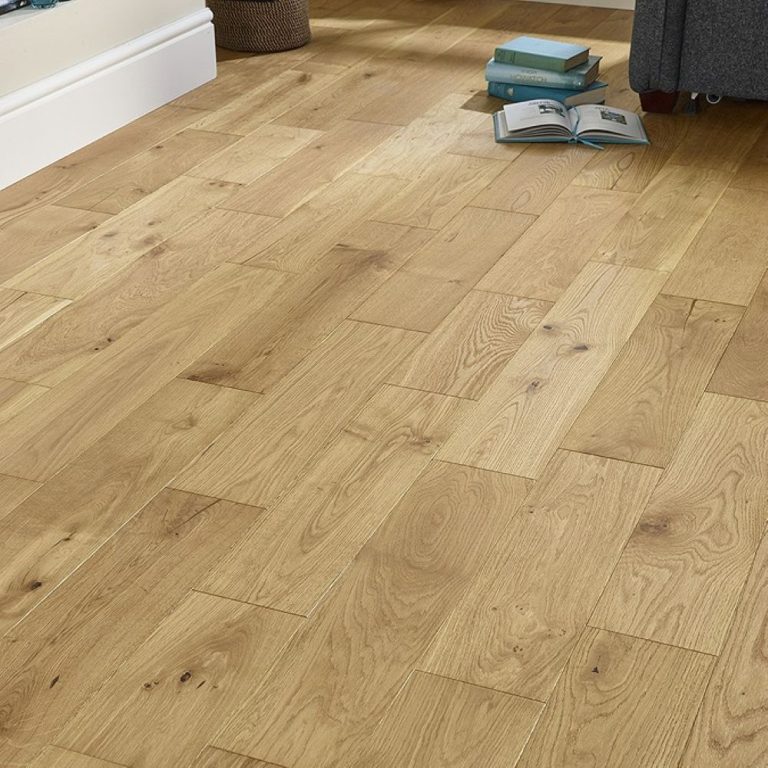
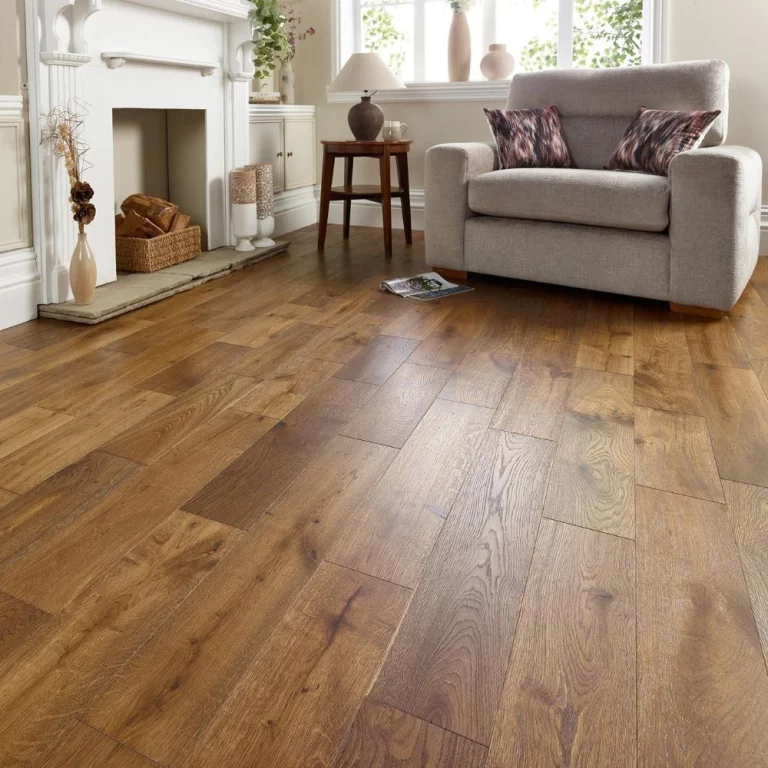
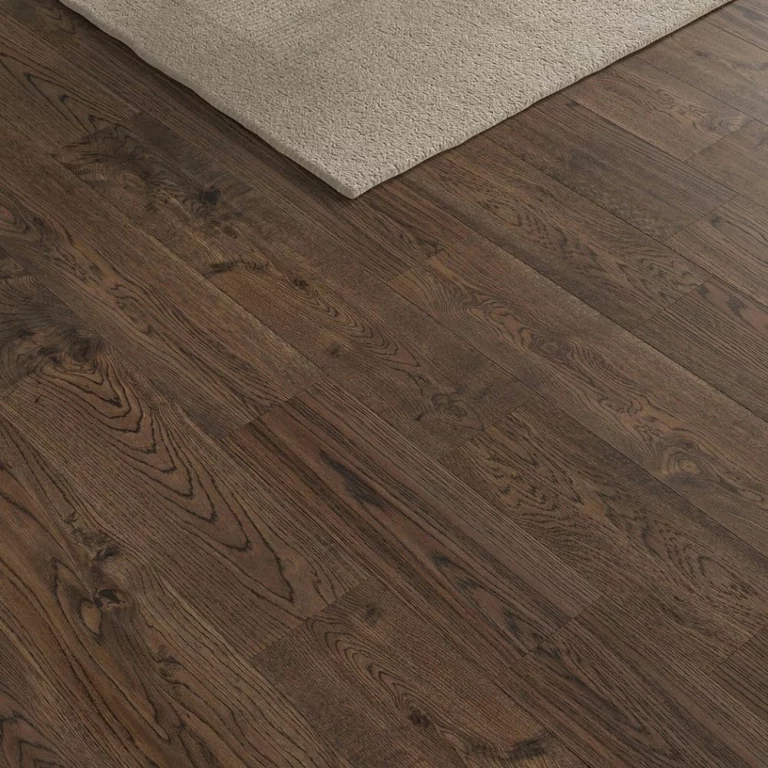
The planks are a choice of width and surface. The 90 mm Windsor Narrow reads as a traditional strip floor, 125 mm is the classic width, 150 mm reads as a plank; all three are random length, so the floor does not repeat like a grid. Surfaces run from brushed and UV oiled, which hides marks and can be re-oiled locally, through smooth and UV lacquered, the cleanest look, to hand scraped and UV lacquered for a period house, and brushed and matt lacquered on the smoked and dark boards. The oiled surfaces are maintained locally; the lacquered ones are refinished as a whole floor.
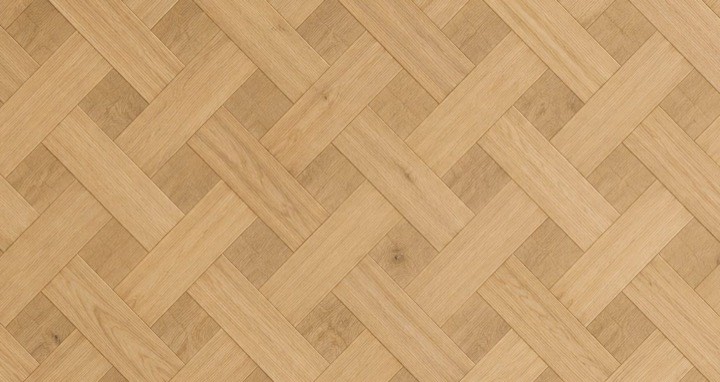
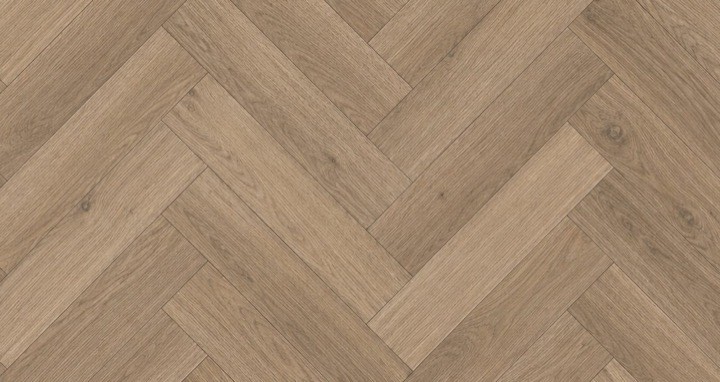
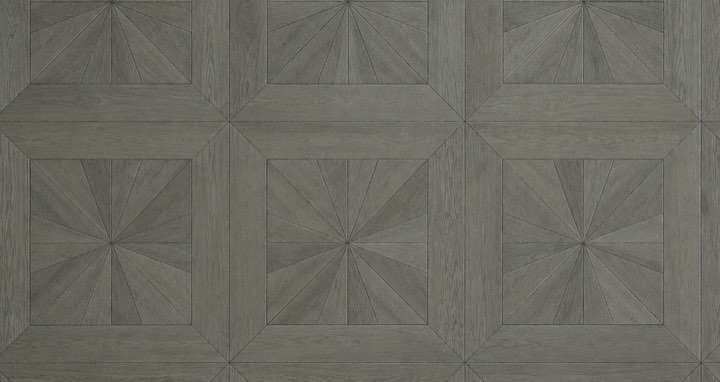
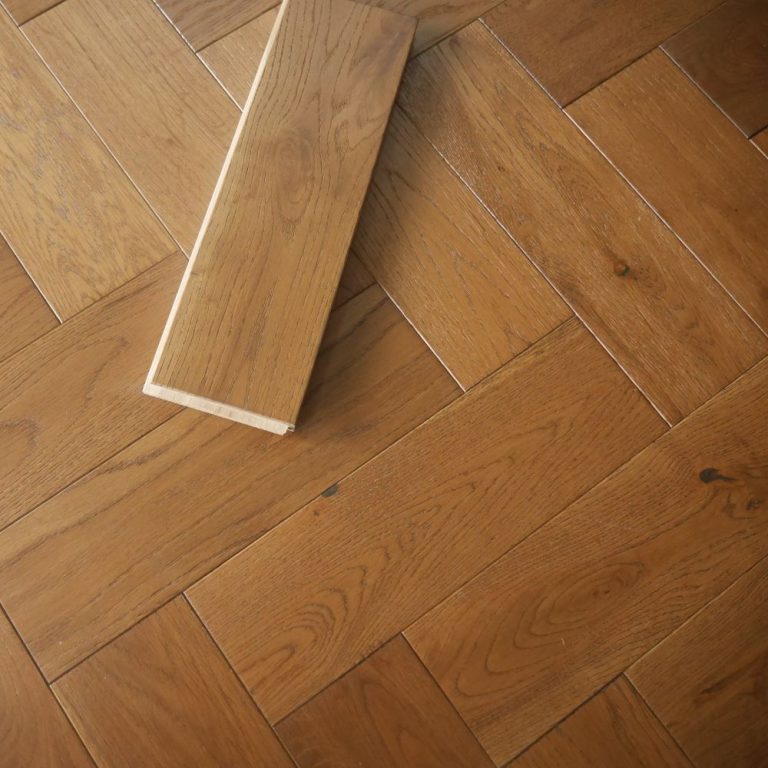
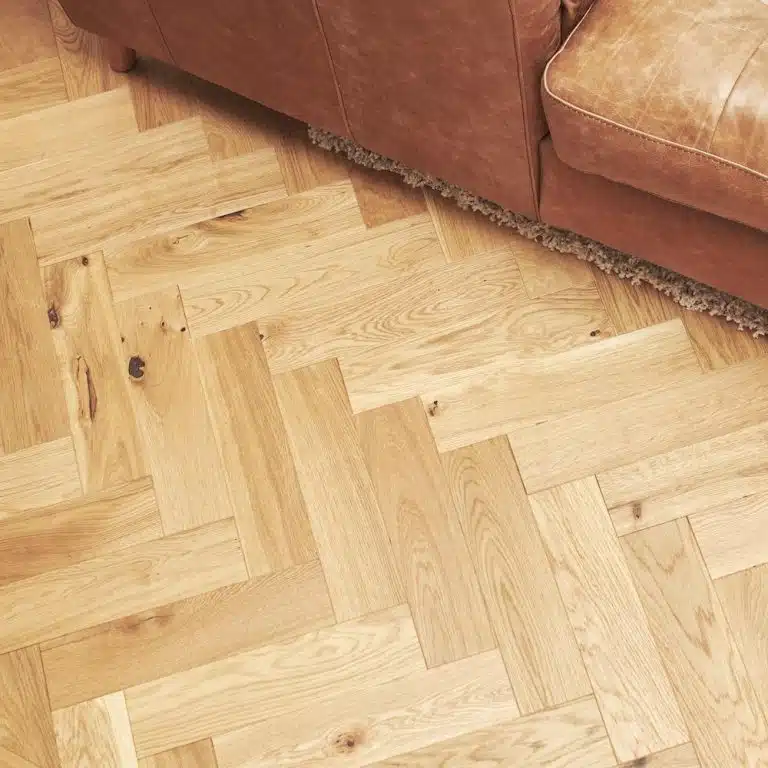
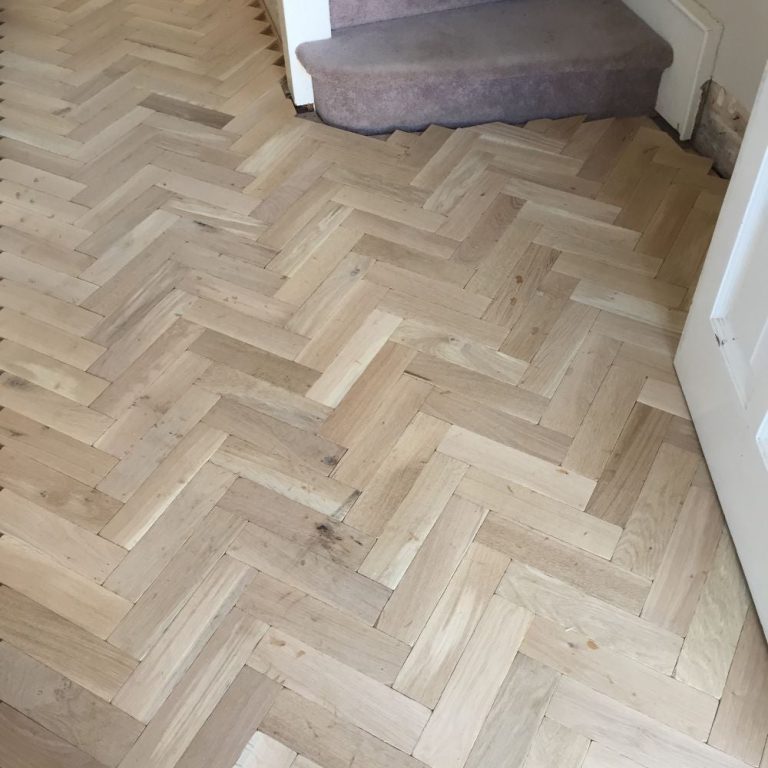
The blocks are a different floor altogether. A 90 mm by 300 mm block is laid glued to a flat subfloor in a pattern, herringbone or brick bond, set out from the centre of the room; three of the four arrive finished and one is unfinished, for a floor that is sanded flat as one surface after laying and then oiled or lacquered, the traditional route. Patterned floors need a higher cutting allowance than planks, and the manufacturer figures for it are quoted below.
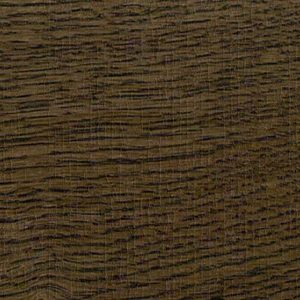
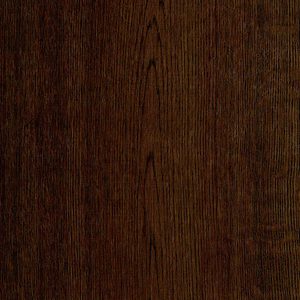
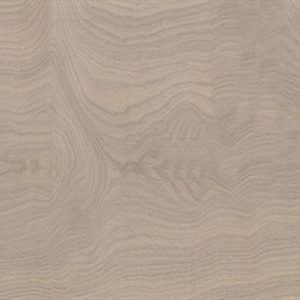
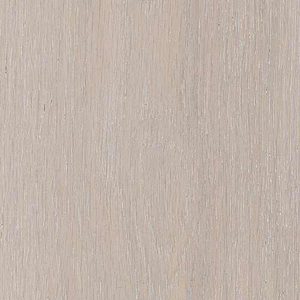
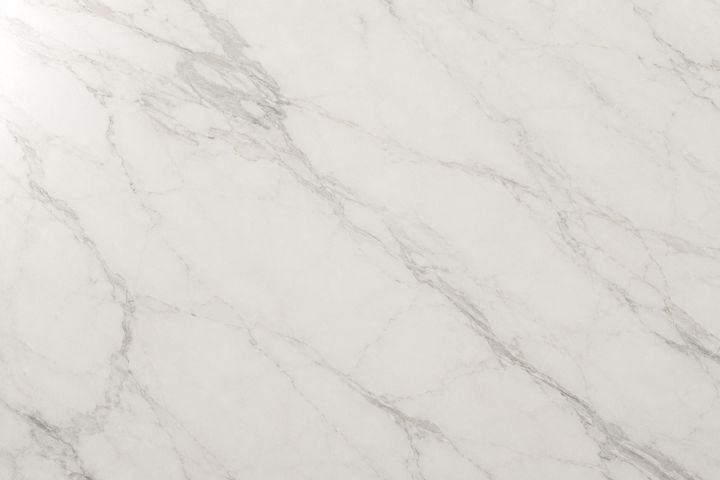
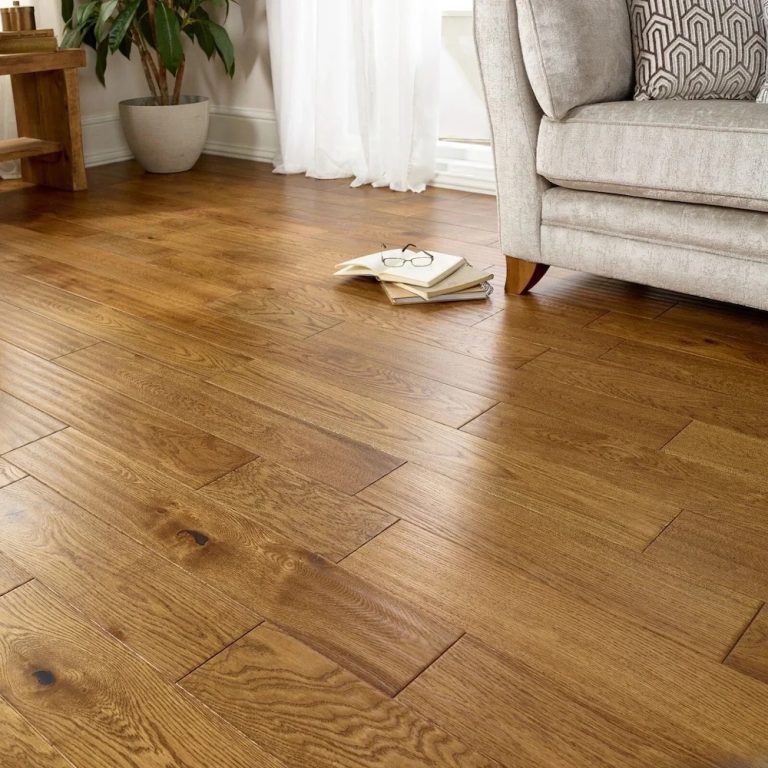
Colour runs the oak palette within Rustic grade: natural on most of the planks, golden, golden brown and coffee on the hand scraped boards, smoked and dark on the matt lacquered pair, and smoked, natural and light on the blocks. Because Rustic grade allows knots, sap and colour variation, the sample is representative rather than exact; two samples of the same board show the range. For the same look in a heated room, or in a flat with a concrete floor and a tight build-up, the engineered oak boards carry the same finishes on a core that stays put.
FAQ
What is solid wood flooring?
Can I use solid wood with underfloor heating?
How many times can solid wood be sanded?
Which rooms suit solid wood?
Do you deliver UK-wide and can I get a sample first?
Standards
What the published standards say
Each entry is quoted from its source and linked to it. The full set is in the standards reference.
BS EN 13226 — solid parquet elements
BS EN 13226 specifies the characteristics of solid parquet elements with grooves and/or tongues intended for internal use as flooring, covering elements with or without surface treatment.
“This European Standard specifies the characteristics of solid parquet elements with grooves and/or tongues for internal use as flooring. This standard is not applicable to panels made from elements for which a separate standard is in course of preparation.”
Source: BS EN 13226:2009 - Wood flooring. Solid parquet elements with grooves and/or tonguesBS 8203 — relative humidity limit for a subfloor
UK practice following BS 8203 treats a subfloor as dry enough for resilient floor coverings when hygrometer readings do not exceed 75% relative humidity (65% RH for solid timber coverings), measured with a hygrometer sealed to the surface so that it reaches equilibrium with the base.
| RH limit, resilient floor coverings | 75 % RH |
|---|---|
| RH limit, solid timber floor coverings | 65 % RH |
“The base can be considered dry enough to install most floorcoverings if a series of tests produce readings not exceeding 75% R.H. (65% R.H. for solid timber floorcoverings).”
Source: F. Ball and Co. Ltd - Digital Hygrometer, Technical Data SheetAcclimatisation before fitting
The Contract Flooring Association's guide states that the room should be at its in-service temperature 48 hours before installation so that the flooring can be kept in the room and reach room temperature before it is laid.
| conditioning before installation | 48 h |
|---|
“They also advise that this temperature should be attained 48 hours prior to the installation, so that floorings can be kept in the room and brought to room temperature (acclimatised) before installation.”
Source: CFA Guide to Contract Flooring - Contract Flooring AssociationCutting waste — how much extra to order
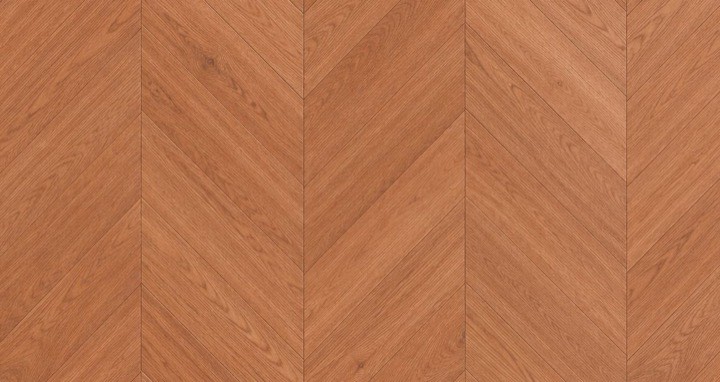
There is no published industry standard for cutting waste; the figures come from manufacturers' own guidance and they vary. Havwoods advises 8-12 % wastage for planks and 15-20 % for patterned floors such as herringbone or chevron. Quick-Step's UK guidance for laminate is 5 % extra in a regular room and 10 % in a room with many angles or curves.
| Wastage allowance, plank floors (Havwoods UK) | 8-12 % |
|---|---|
| Wastage allowance, herringbone or chevron (Havwoods UK) | 15-20 % |
| Extra to order, regular room, laminate (Quick-Step UK) | 5 % |
| Extra to order, room with many angles or curves, laminate (Quick-Step UK) | 10 % |
“For planks we typically advise on 8-12% wastage and patterned floors, such as herringbone or chevron, may need 15-20% wastage.”
Source: Havwoods UK - FAQs: How Much Wastage Shall I Encounter For? · second sourceA guarantee is in addition to your legal rights
Section 30 of the Consumer Rights Act 2015 requires a goods guarantee to state that the consumer has statutory rights in relation to the goods and that those rights are not affected by the guarantee, so a manufacturer's guarantee sits alongside statutory rights rather than replacing them.
“the guarantee states that the consumer has statutory rights in relation to the goods and that those rights are not affected by the guarantee”
Source: Consumer Rights Act 2015, section 30: Goods under guarantee — legislation.gov.ukDelivery & areas