
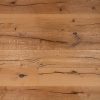

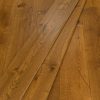
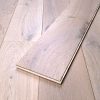








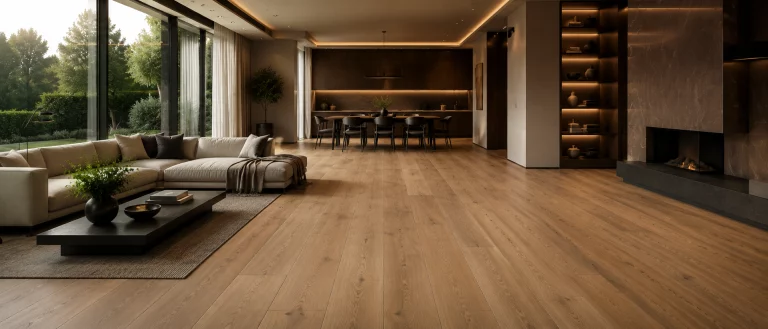
Engineered Wood Flooring
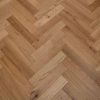
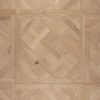
Real wood beauty with modern stability. Engineered wood brings natural warmth and character to your home, while its layered construction helps reduce movement. Choose from premium tones and finishes for a timeless floor built for daily life.
Shop Engineered Wood
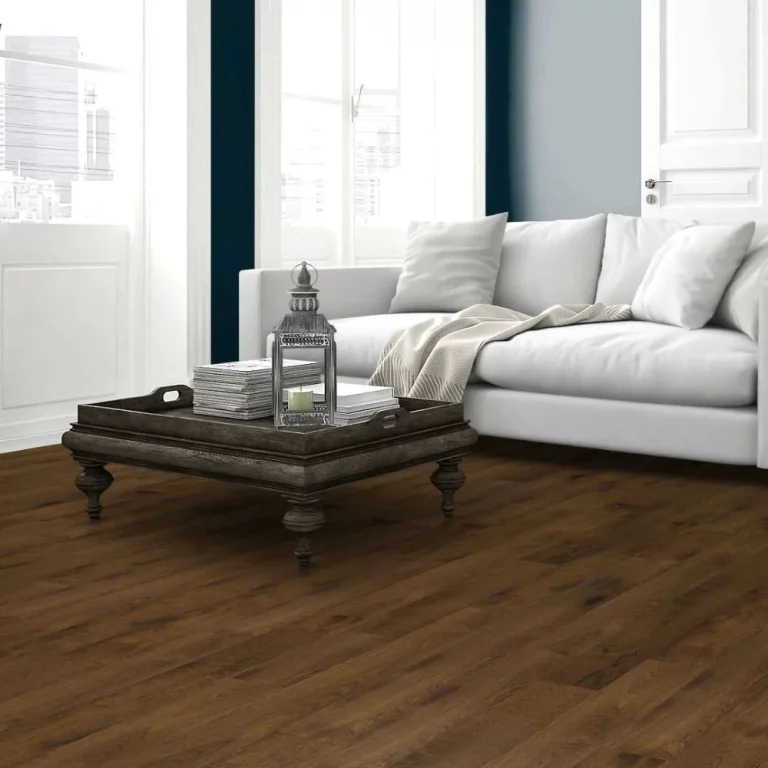
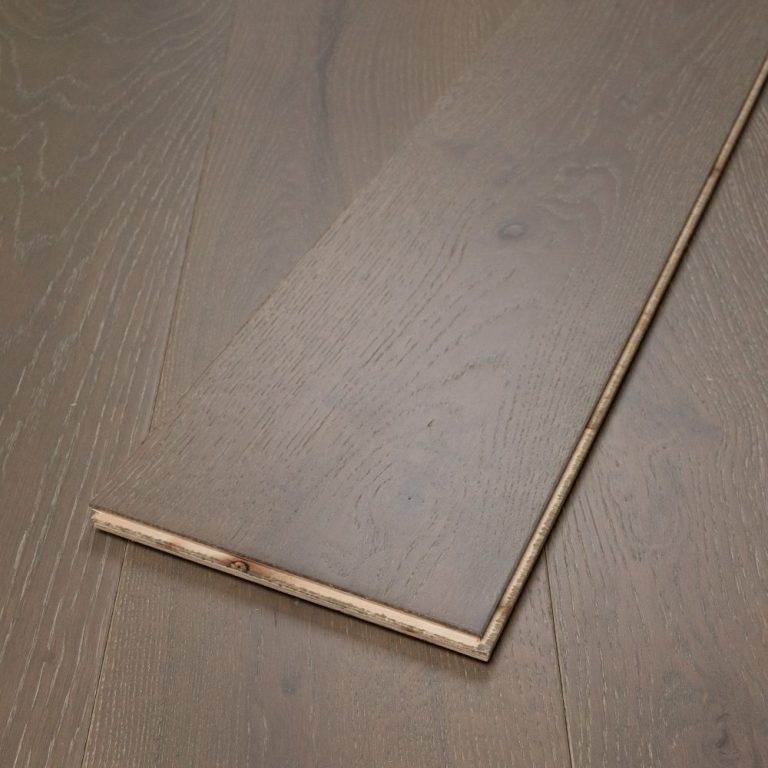
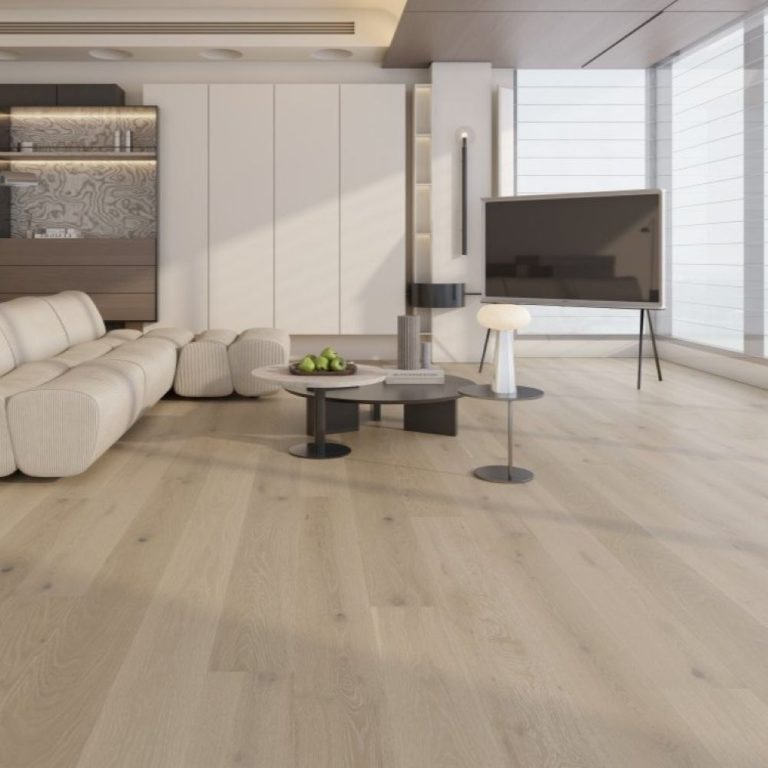
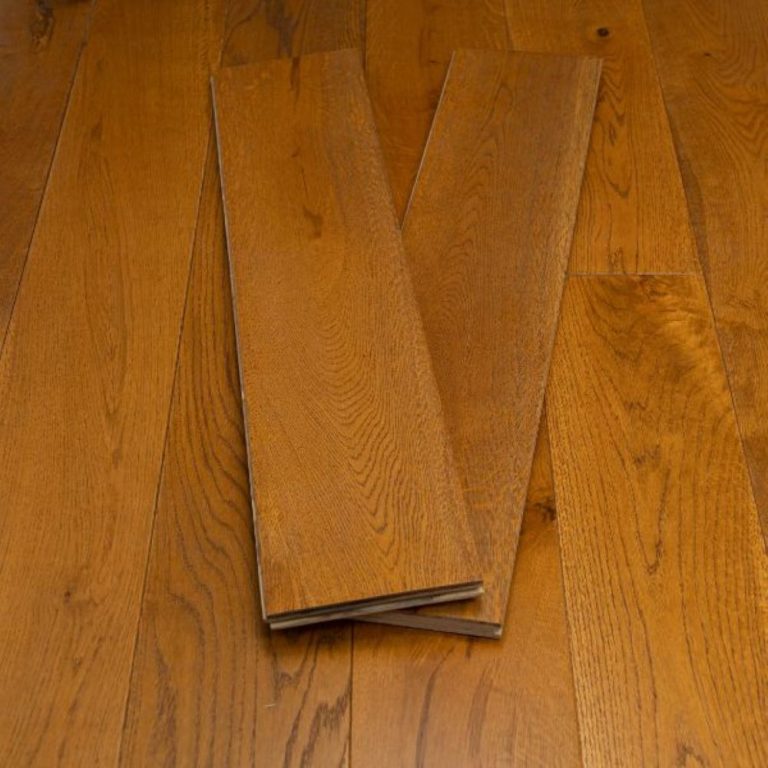
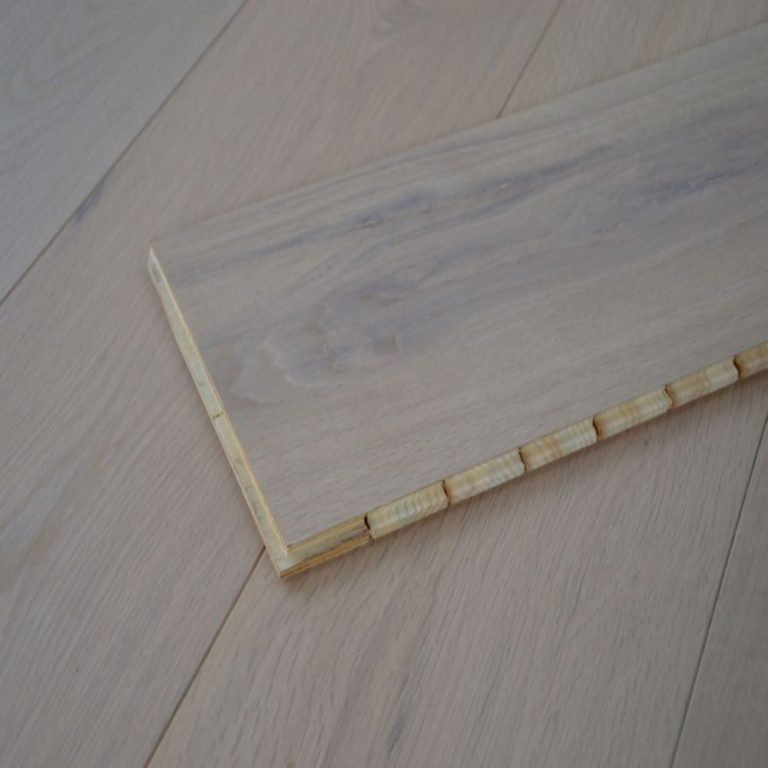
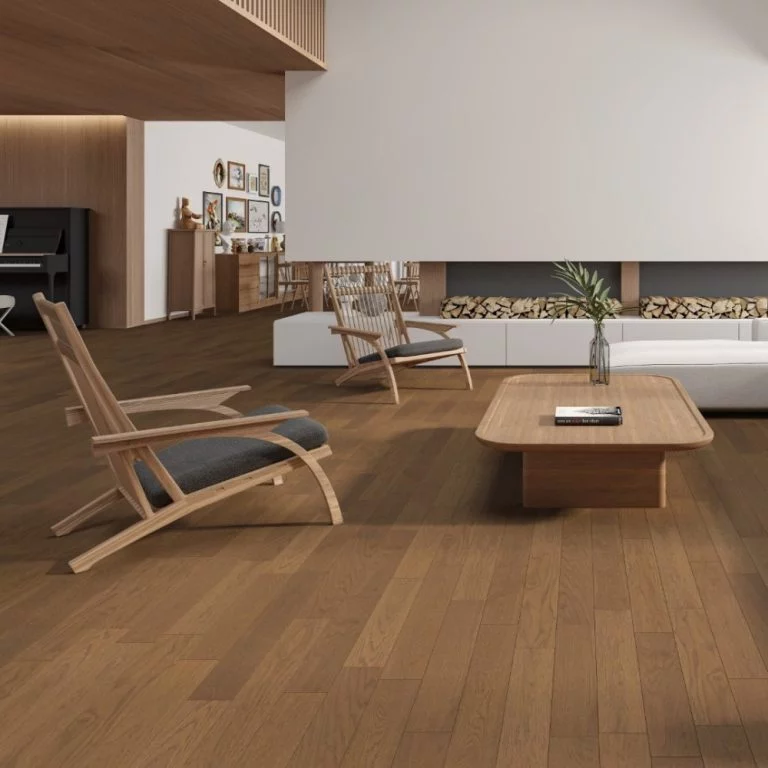
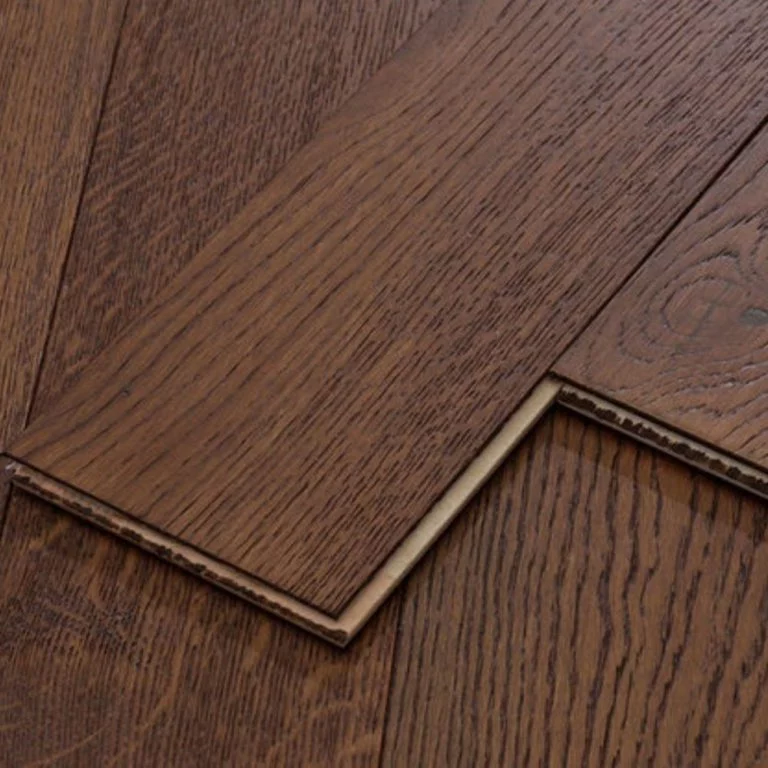

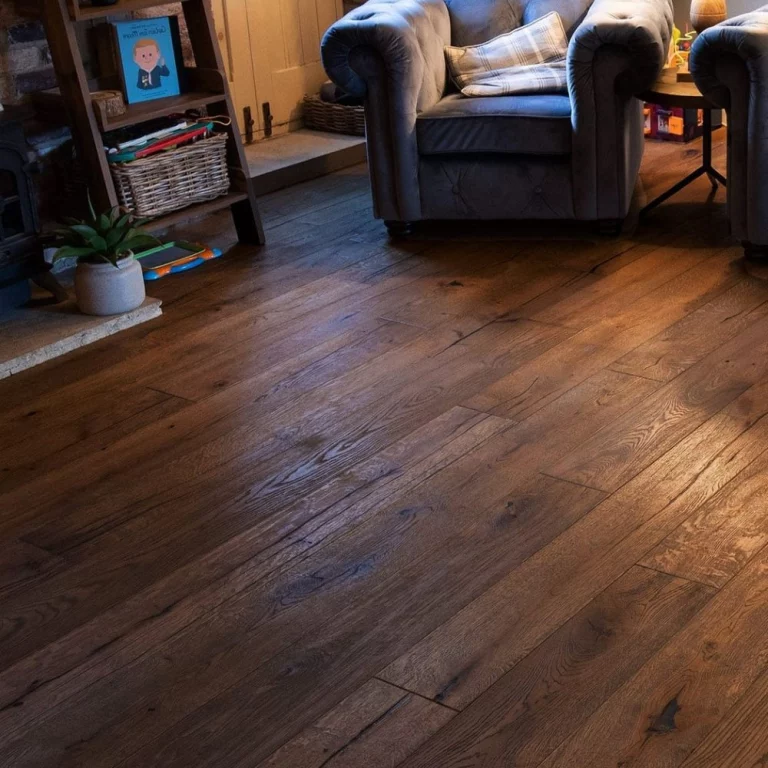
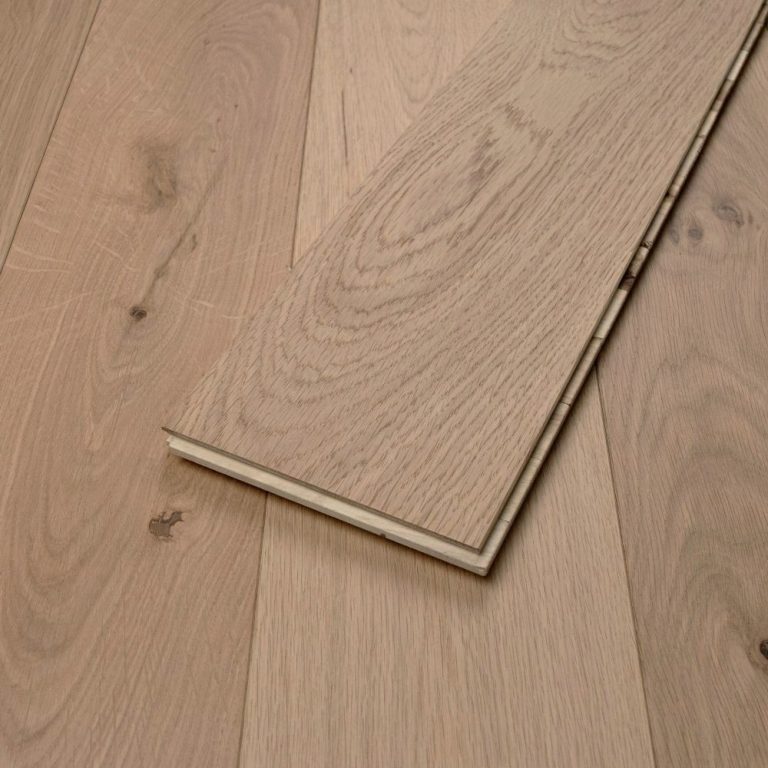

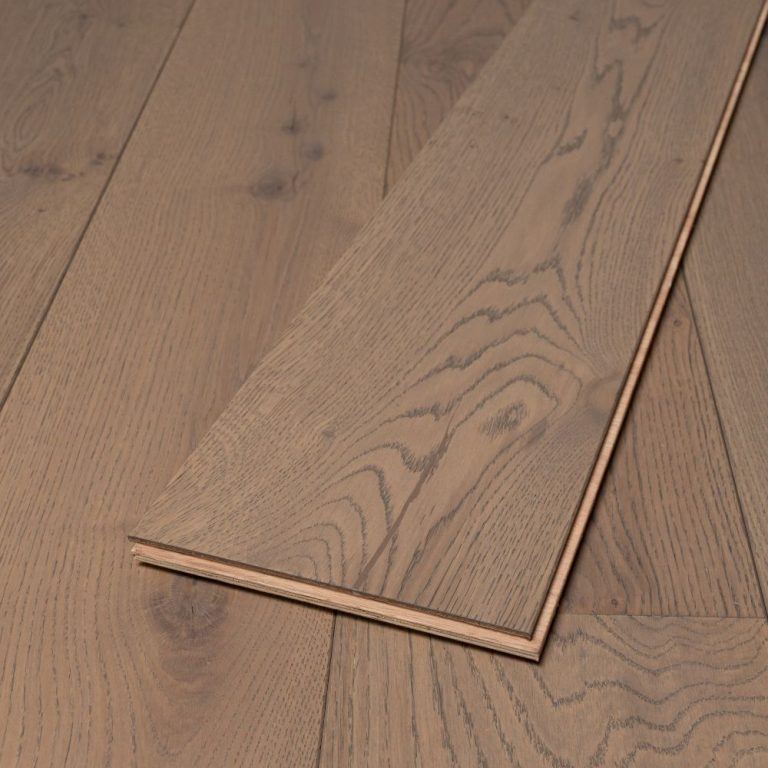
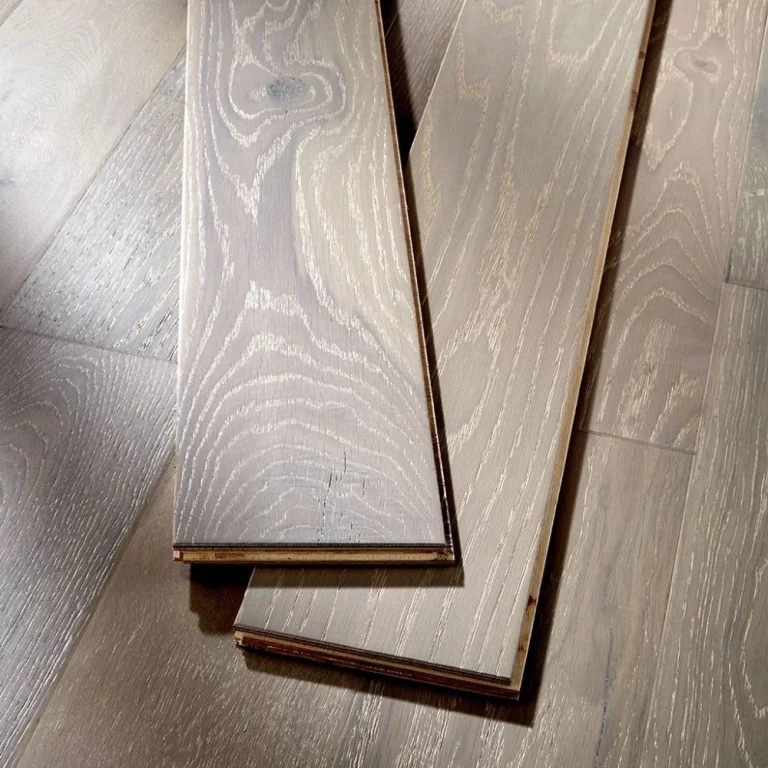
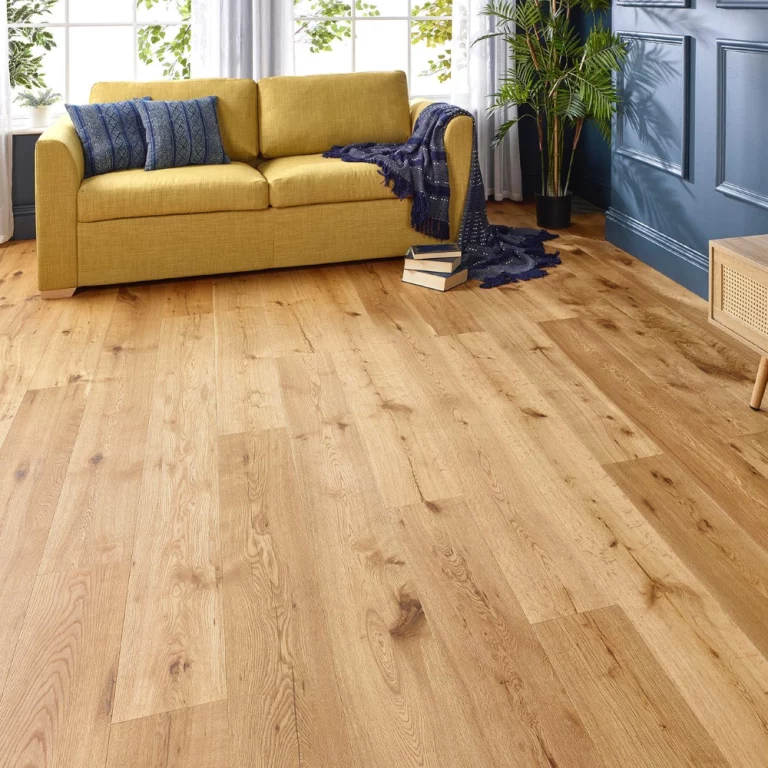
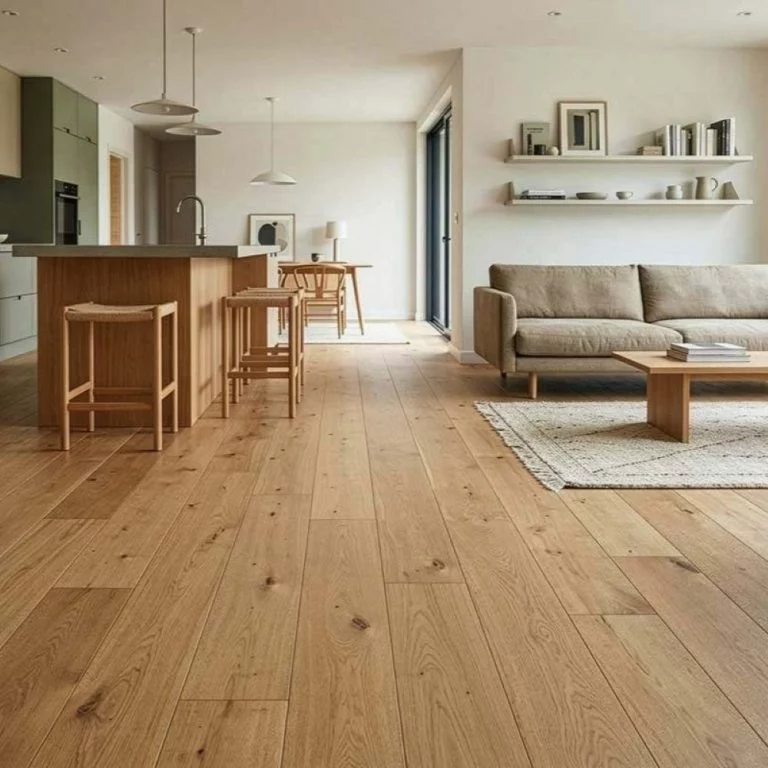
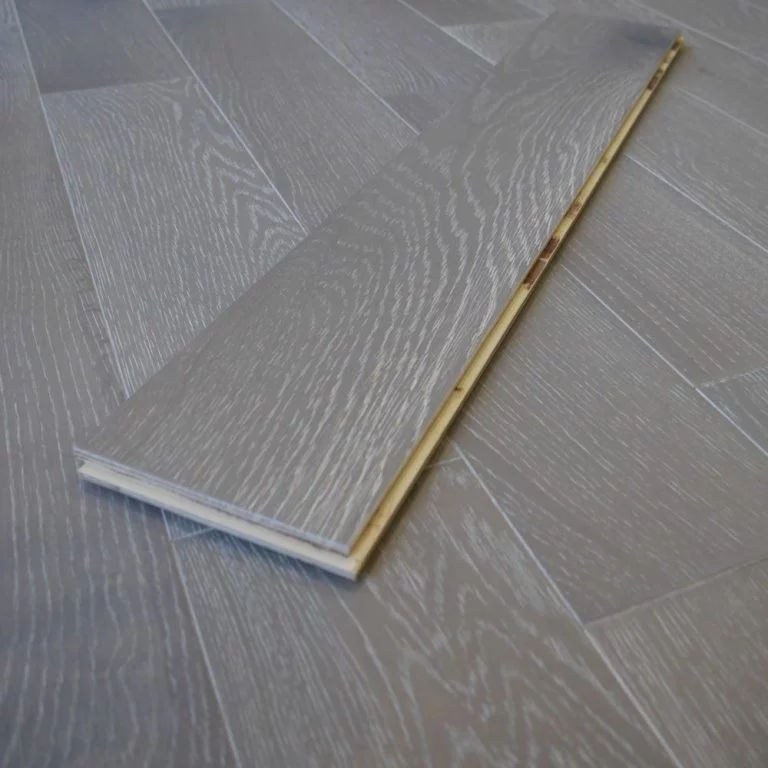
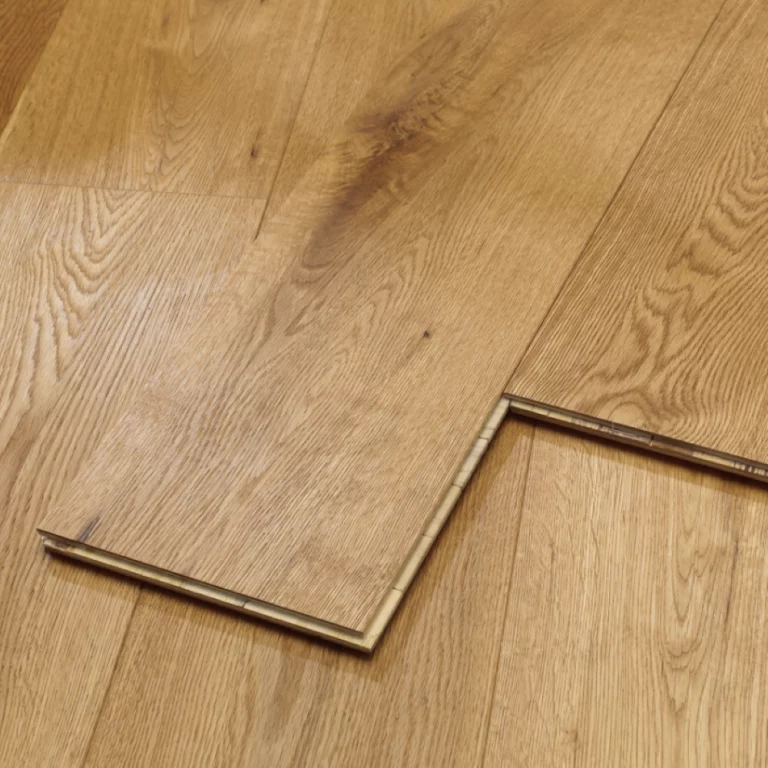
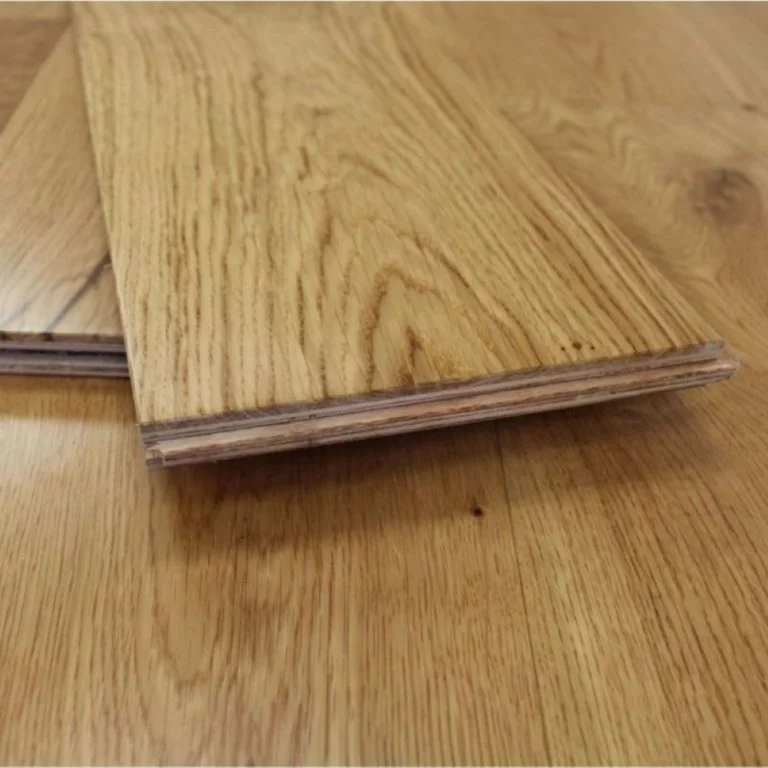
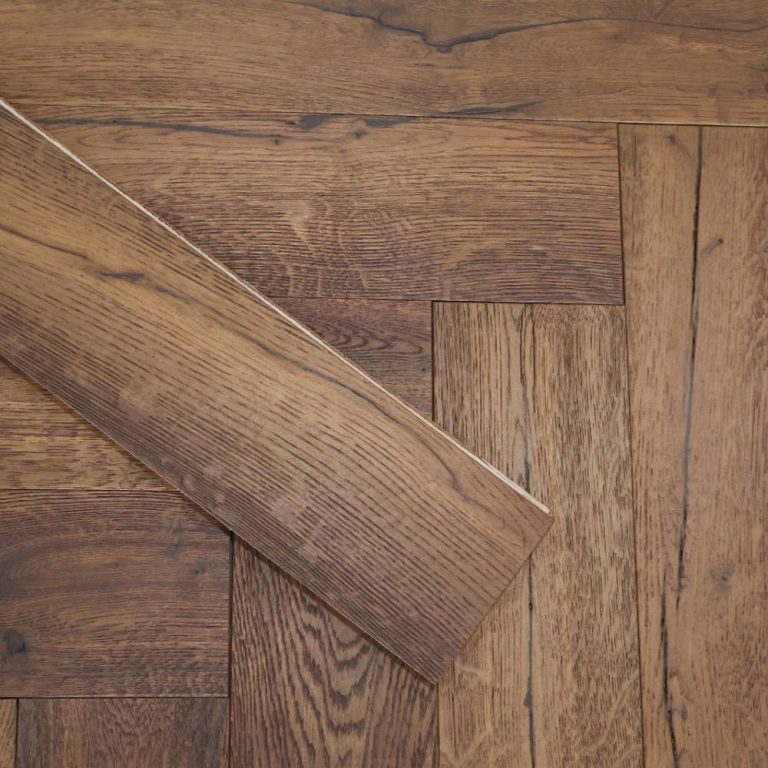
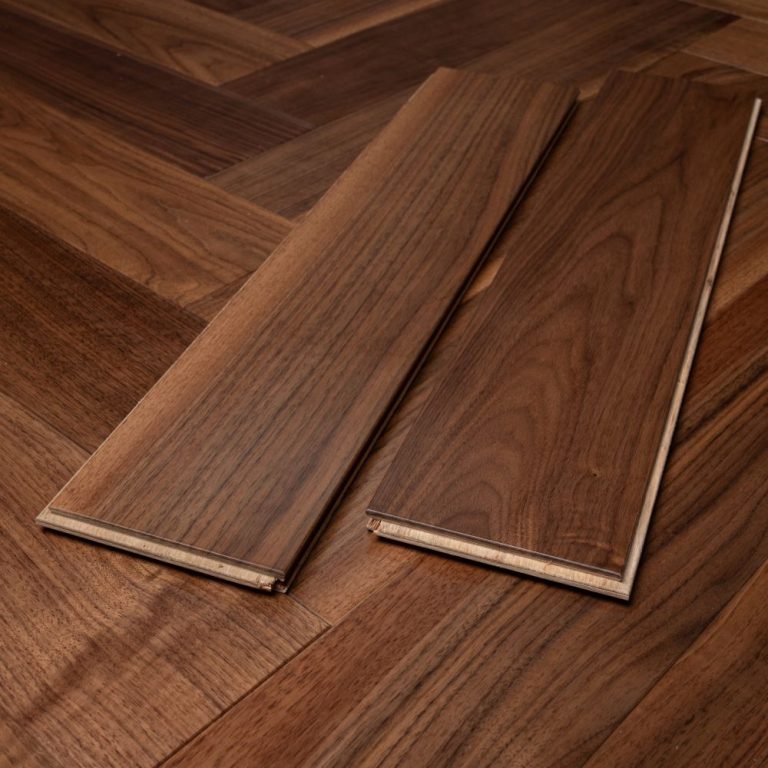
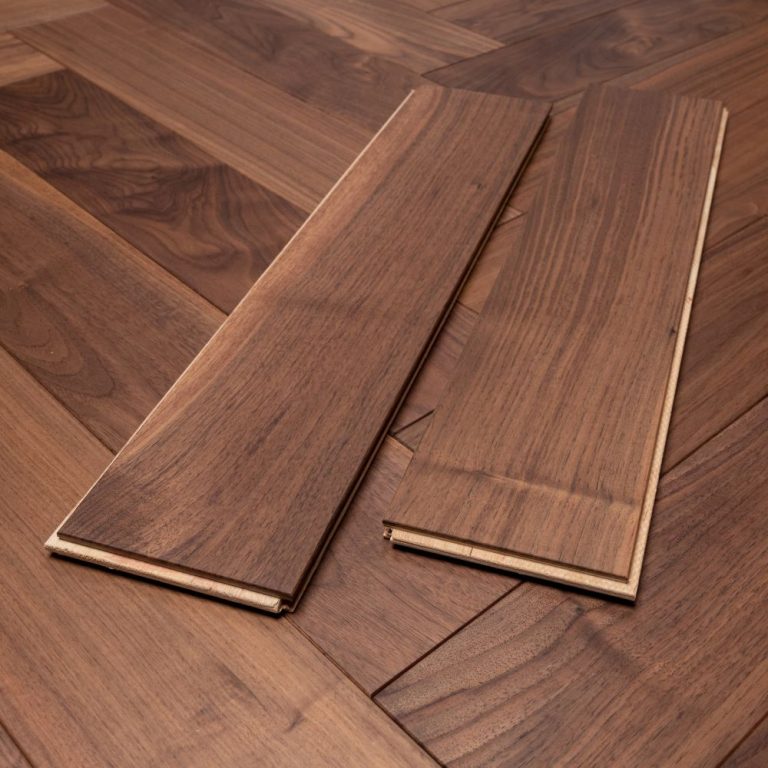
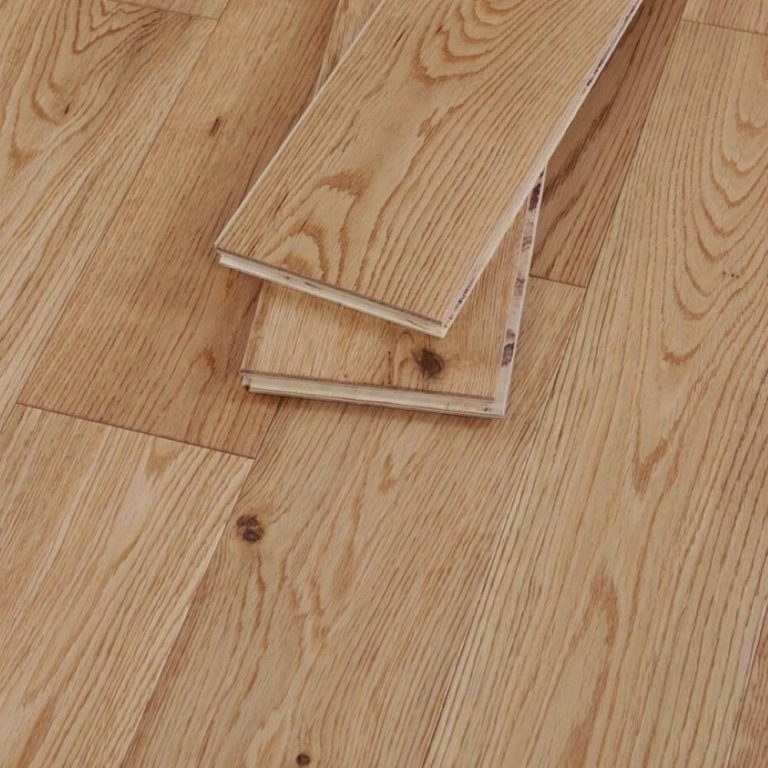
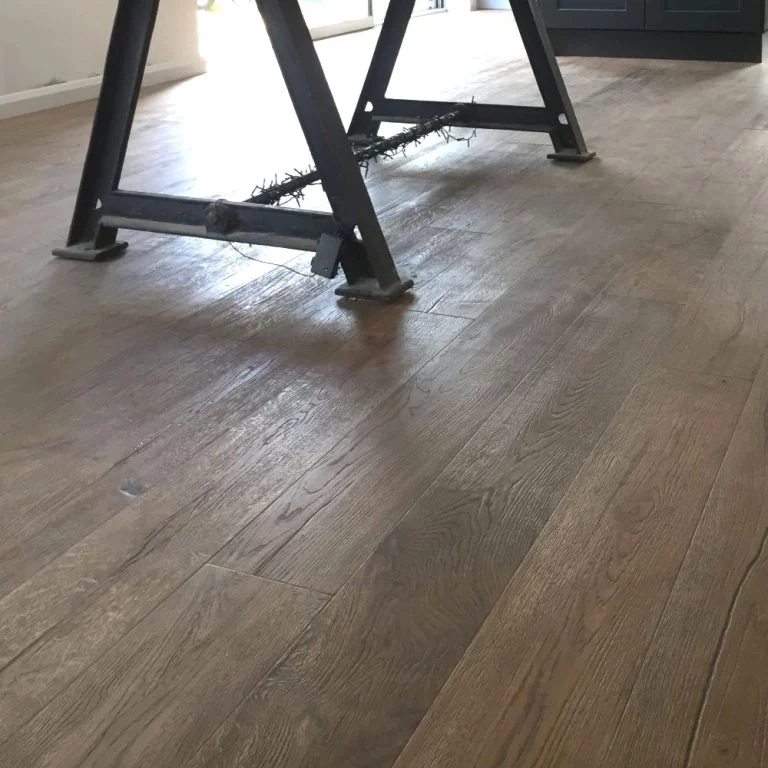
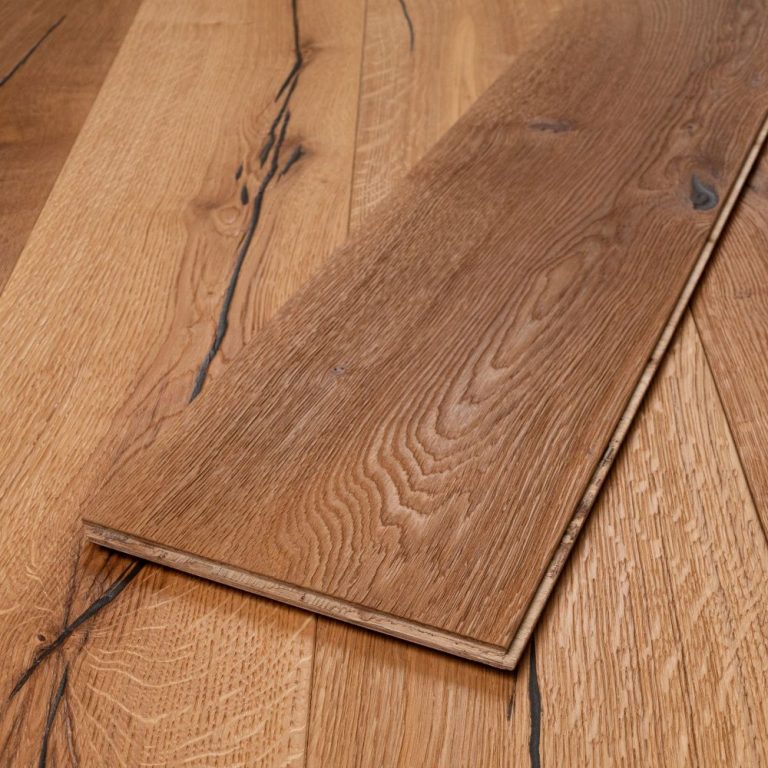
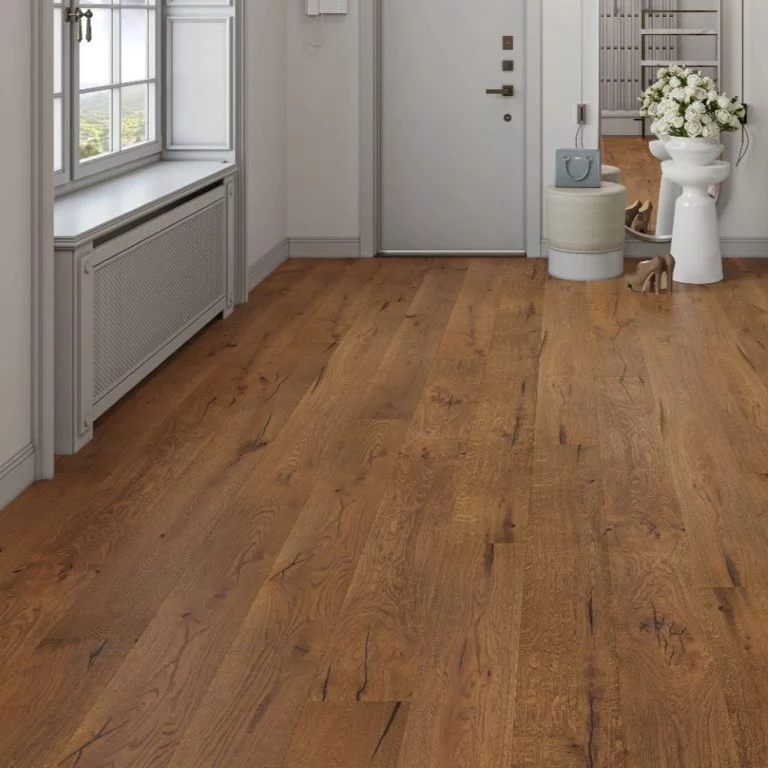
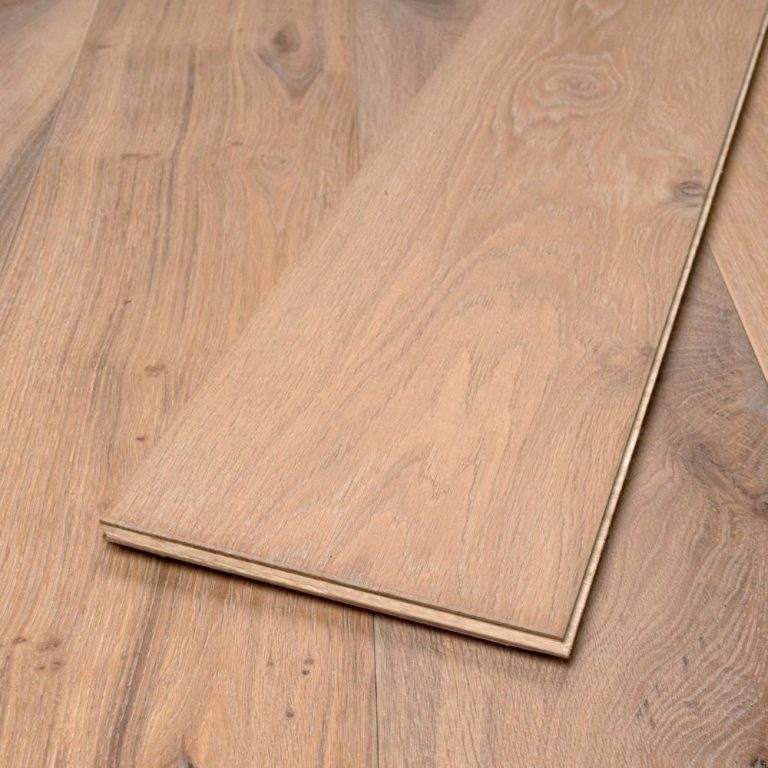
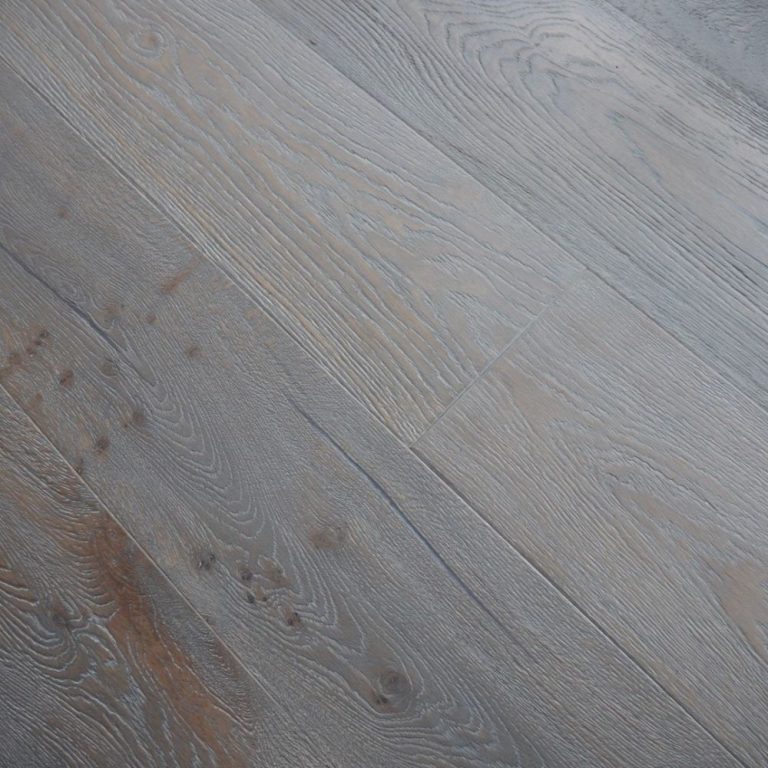
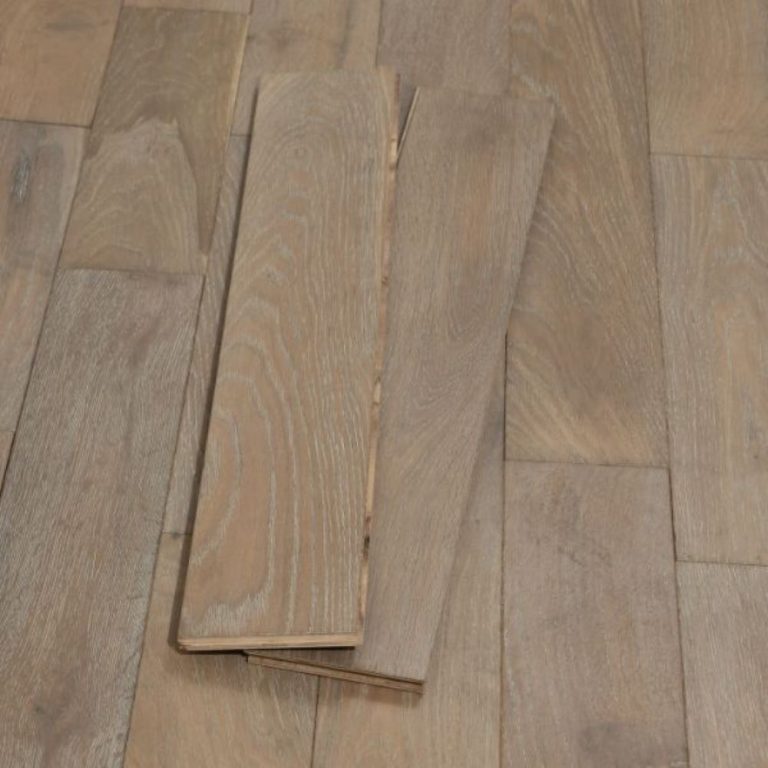
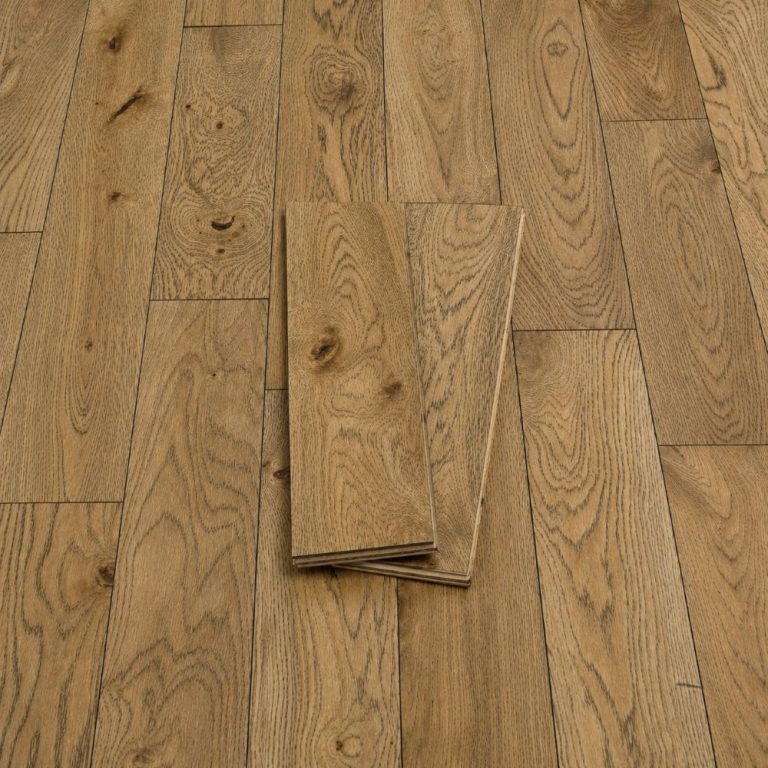
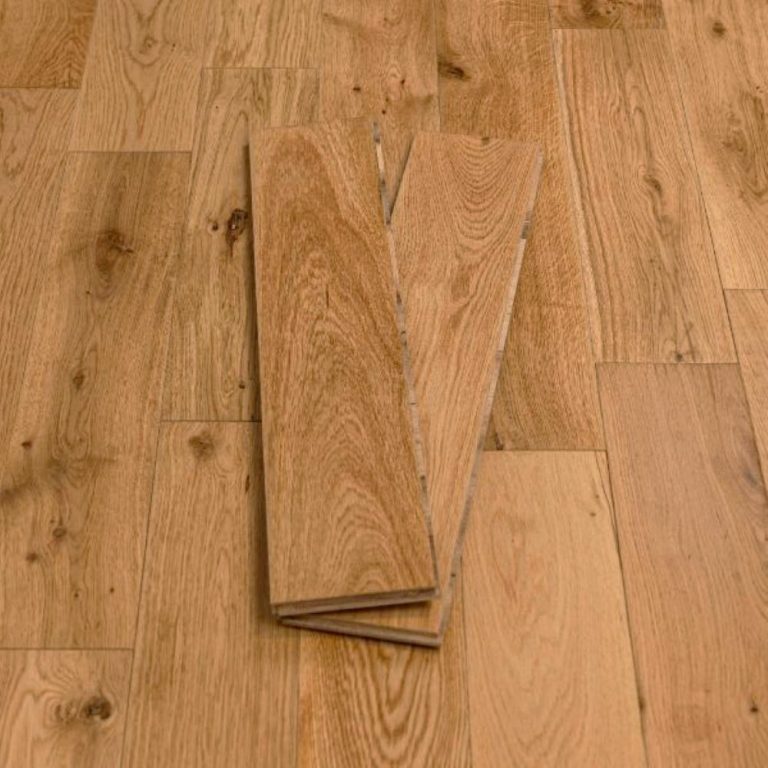
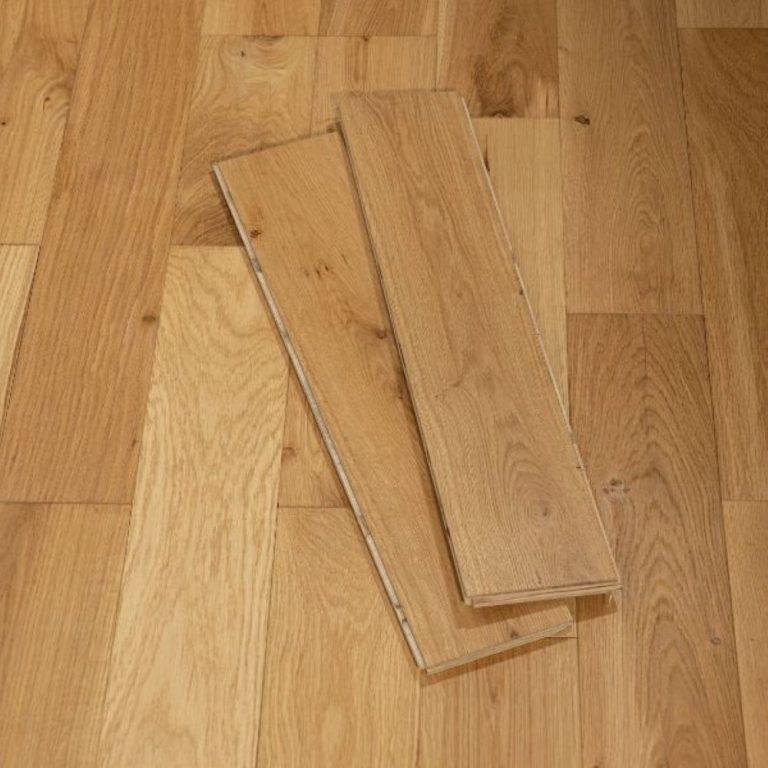
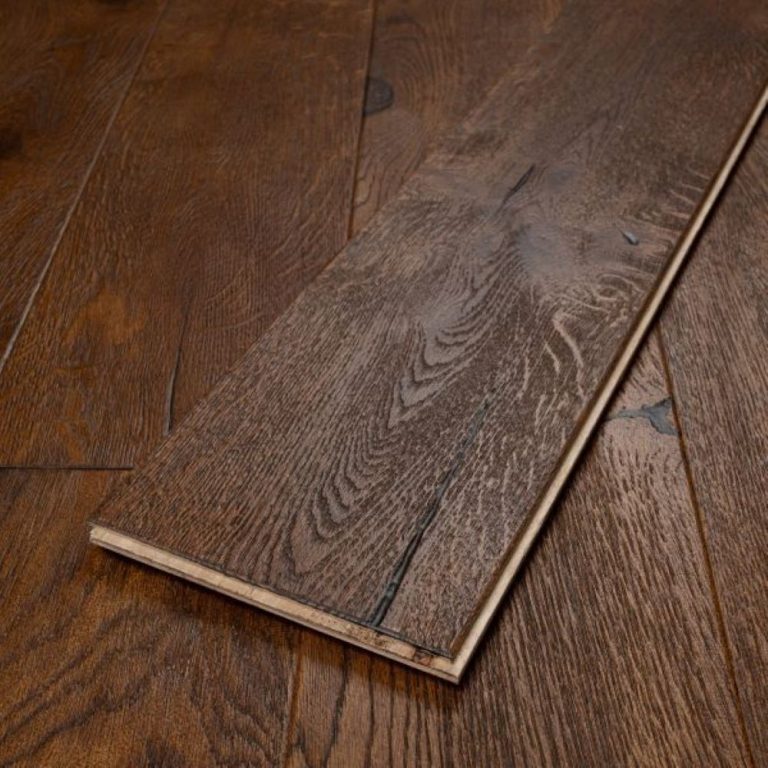
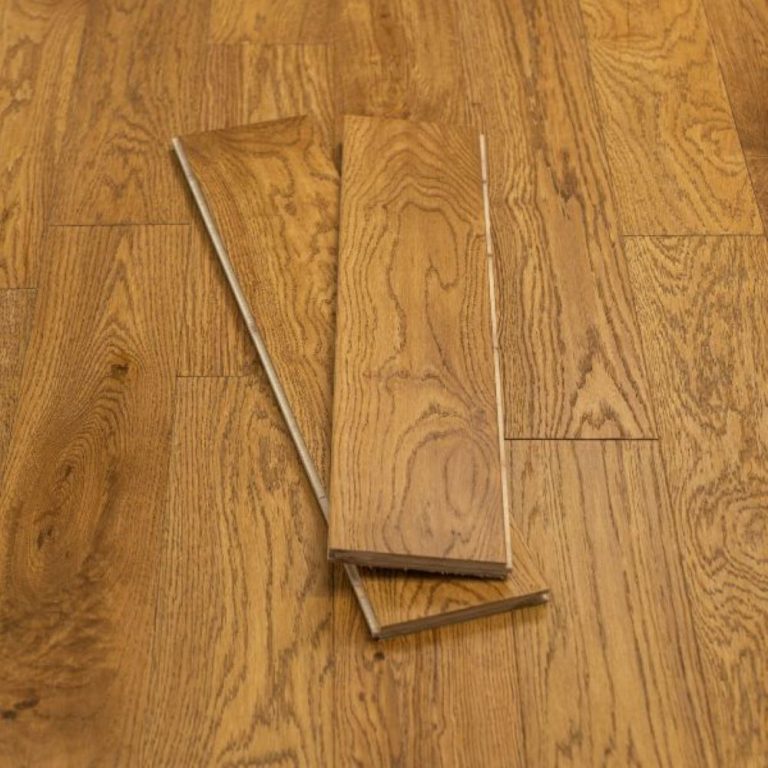
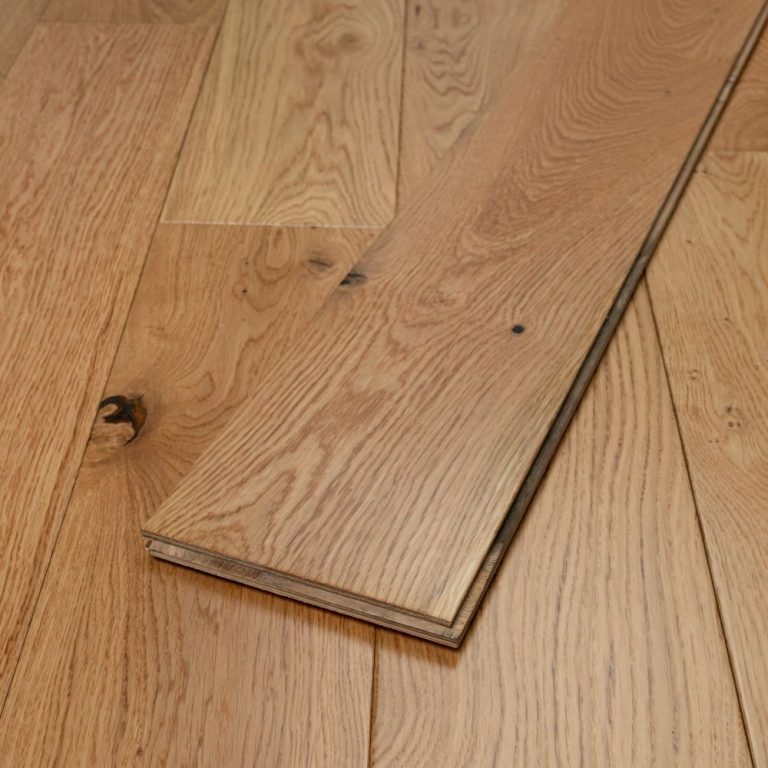
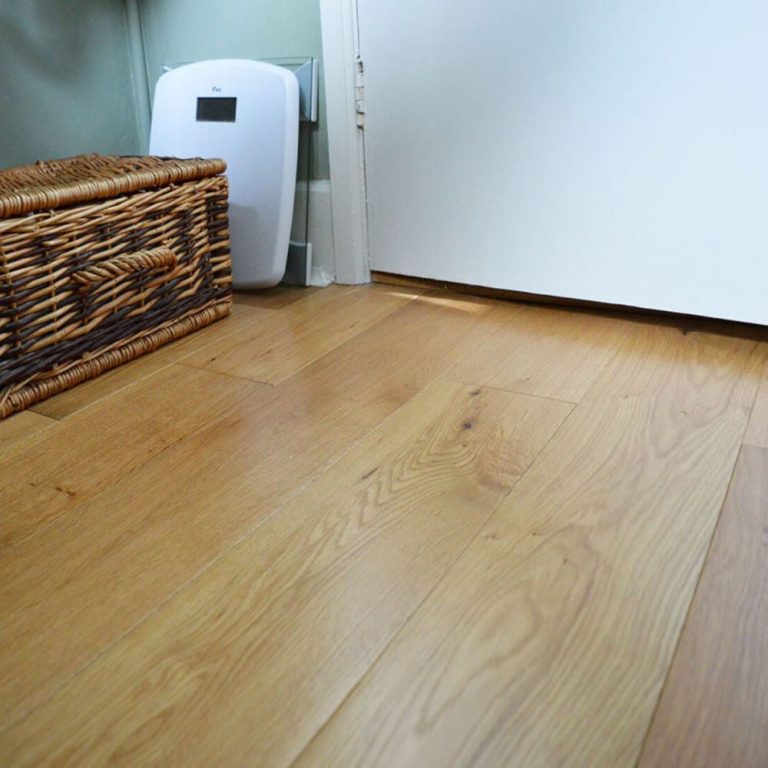
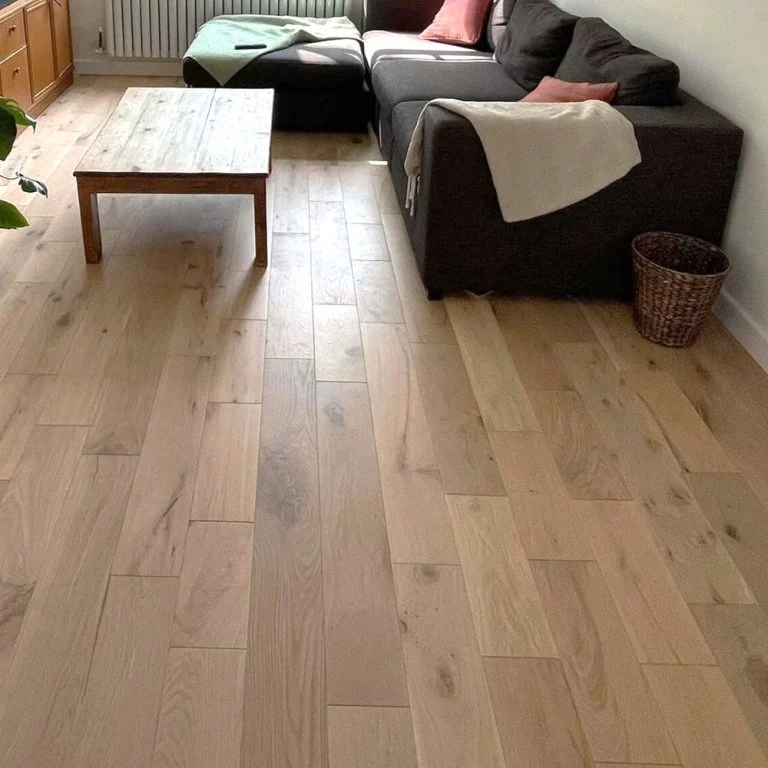
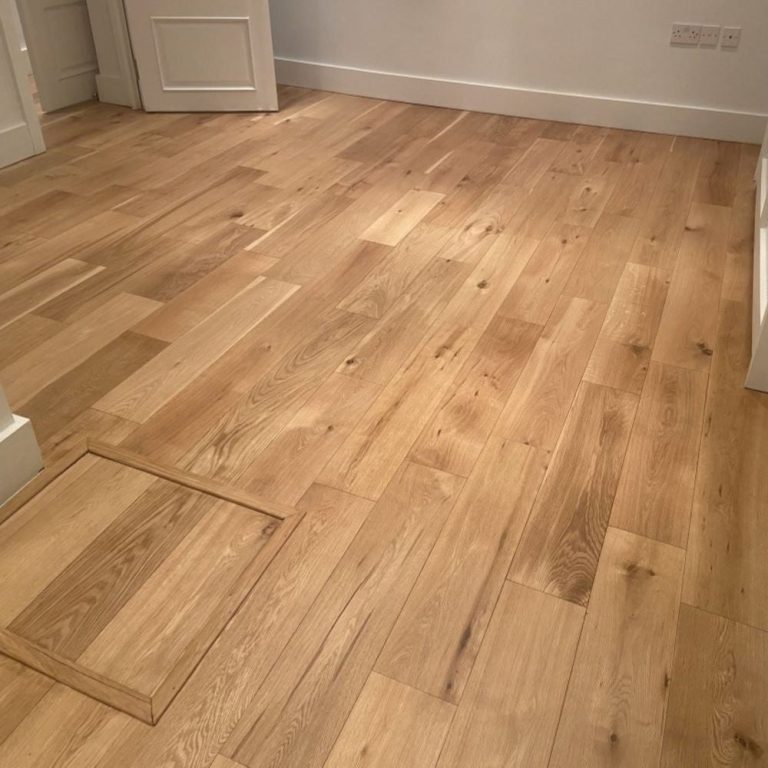
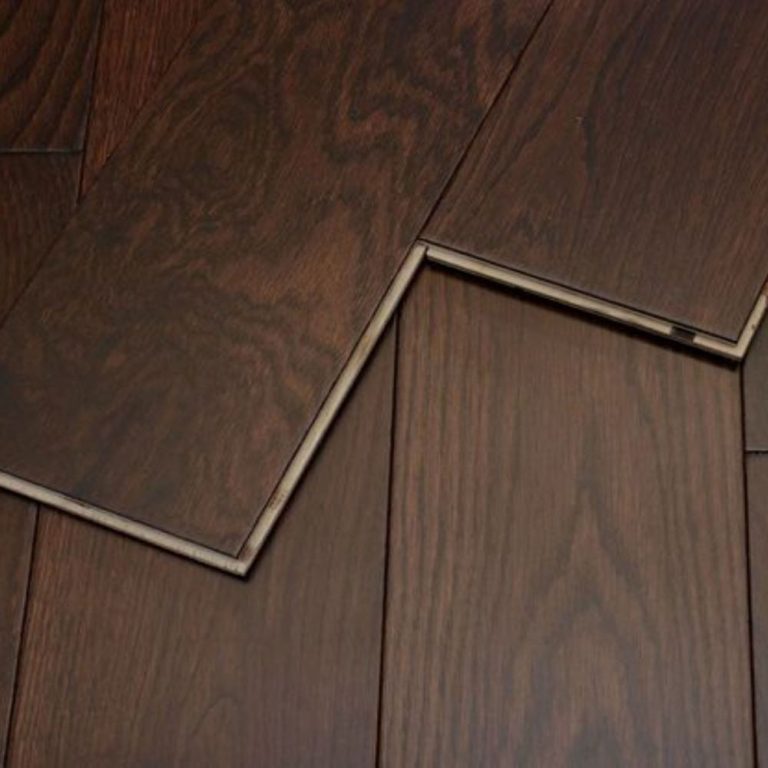
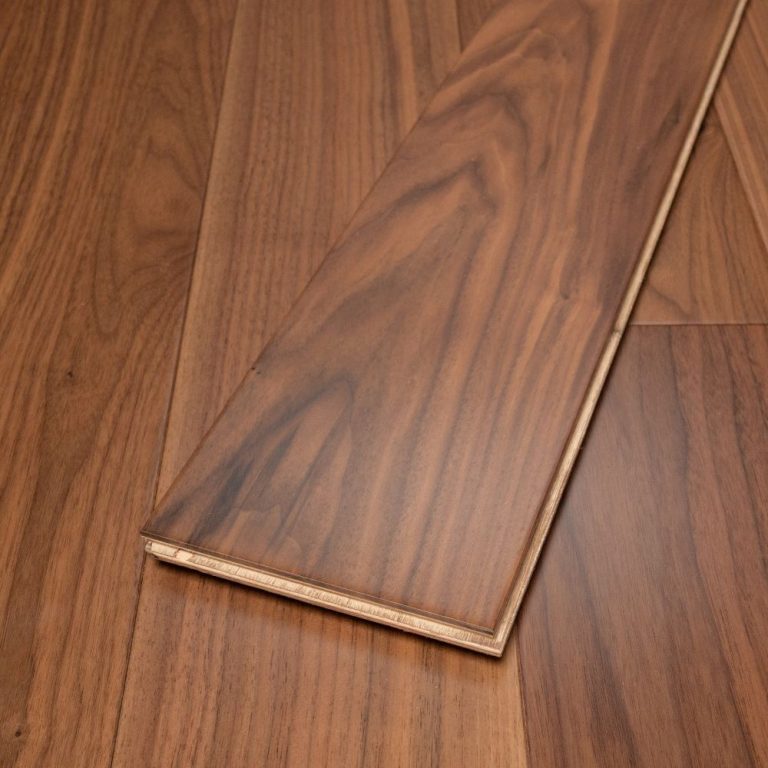
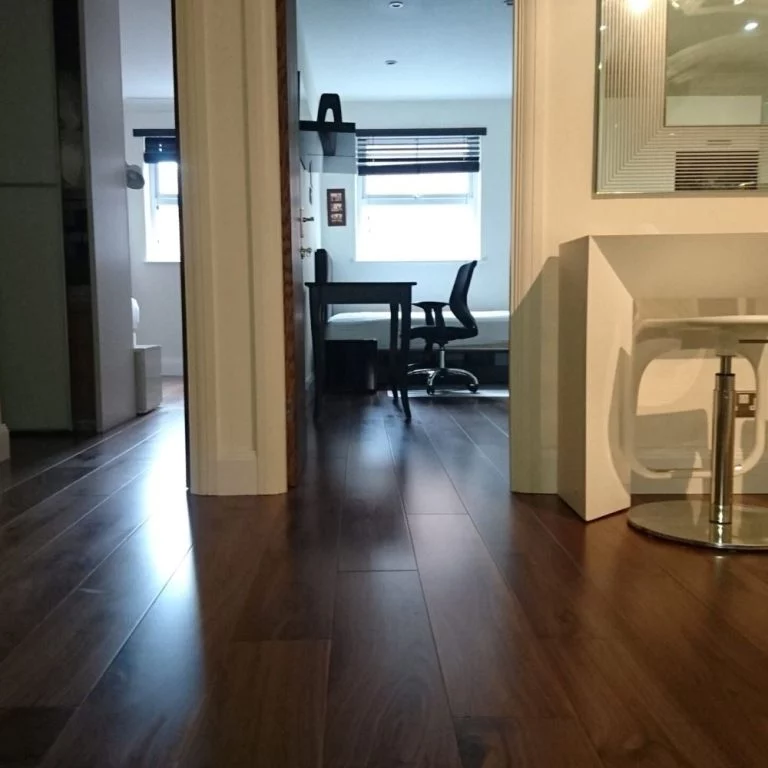
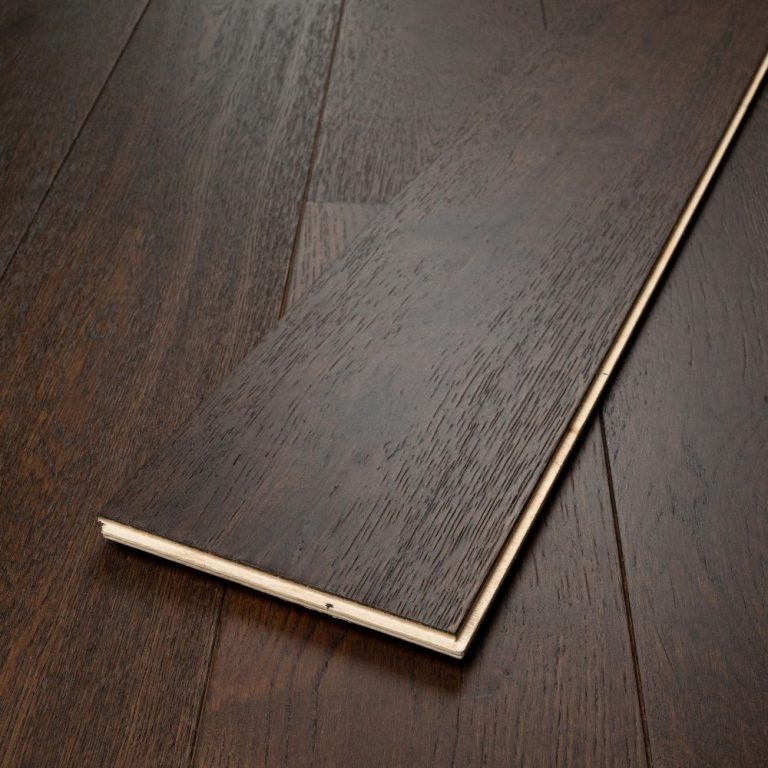
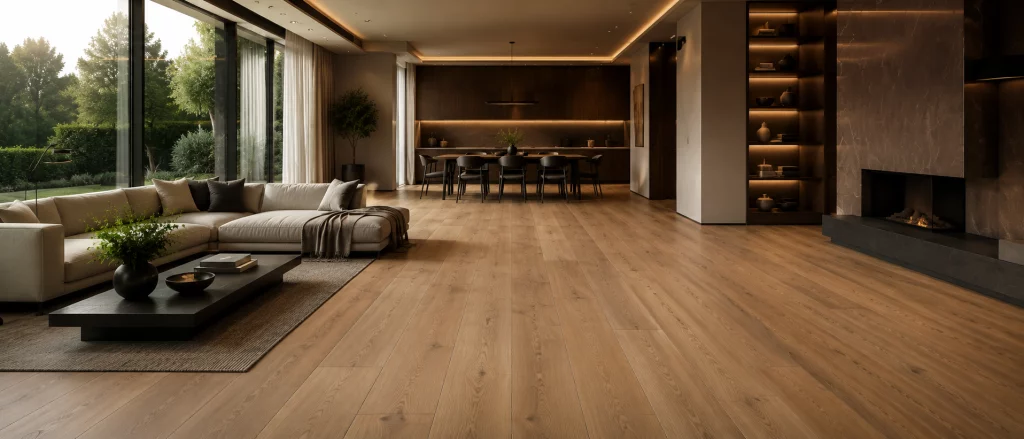
“A real oak surface over a cross-laminated core. This is the version of oak that lives happily over underfloor heating.”
— our flooring team
Engineered WoodBuying guide
Still unsure? Real people, honest advice.
Buying guide
A few simple decisions—finish, format and where it’ll live—make choosing your engineered wood straightforward.
Best for real homes
Best for open-plan spaces
Best for a premium finish
In depth
How to choose engineered oak
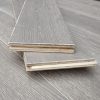
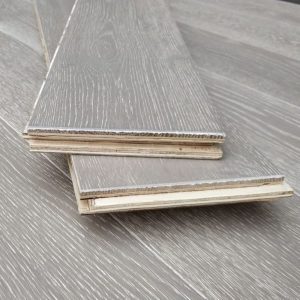
An engineered board is a layer of real oak, the wear layer, bonded to a cross-laminated core, and that construction is the reason it exists: the core holds the board flat where a solid plank would move with the seasons, which is why every one of the 33 boards in this range is listed as compatible with underfloor heating and none of the solid oak boards is. What you walk on, sand and refinish is the oak on top; what keeps it stable is the core underneath. The product standard for multi-layer parquet, quoted below, sets the moisture content the boards must hold at delivery, and it is the reason a well-made engineered floor behaves in a centrally heated house.
Four decisions cover the range, and they are best taken in this order. First, the wear layer: 3 mm on most 14 mm boards, 4 mm on the 15 mm Victorian Antique boards, 6 mm on the two 20 mm boards. It is the depth available for future sanding, and it is what separates a floor that can be refinished once from one that can be refinished several times; the one sourced figure for how many times is a manufacturer's and is quoted below. Second, the surface: smooth, brushed or deep brushed. Smooth is the cleanest look and shows fine scratches most; brushed hides small marks in the grain; deep brushed, on the antique boards, makes texture the point.
Shop by shade
In practice
Third, the finish. UV lacquer and matt lacquer give the hardest wearing surface and are refinished as a whole floor when the time comes. UV oil, oil and hard wax oil sit in the wood rather than on it, look softer, and can be re-oiled locally where a hallway or a kitchen has worn them. Neither is better; they are two ways of looking after a floor, and the honest question is which you would rather do. Fourth, the width: 125 mm Ascot boards and 150 mm Cobham boards in random lengths for rooms of ordinary size and period houses, 190 mm Weybridge planks at 1900 mm and 220 mm Victorian Antique planks at 2200 mm for larger, open rooms.
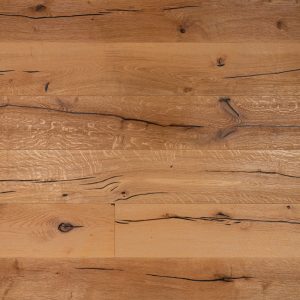
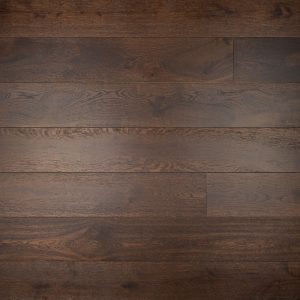
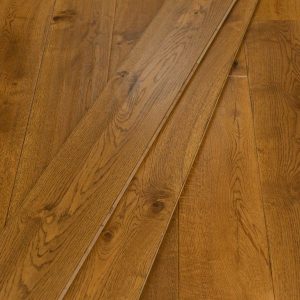
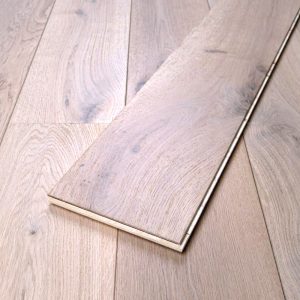
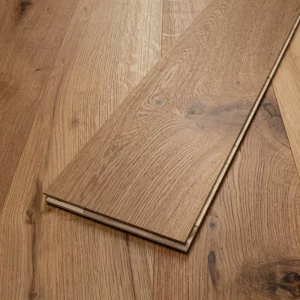
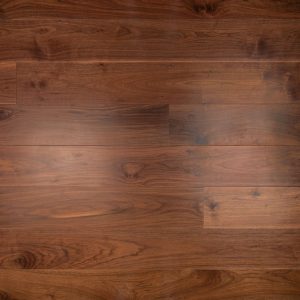
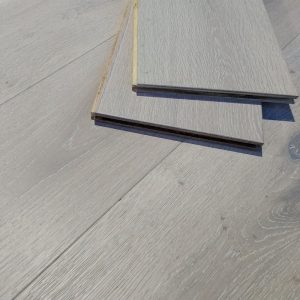
Colour comes last, and the subcategories organise it: natural, light, golden, grey, white, dark and antique oak, and walnut, which is a different species with a finer grain and a colour that lightens rather than darkens with daylight. Every oak tone is available brushed and the walnut boards are smooth only; most tones are available oiled and lacquered; the antique boards are hard wax oiled and deep brushed without exception. Two samples of neighbouring tones, laid on the floor of the actual room in its own light, settle more than any photograph.
What the boards ask of the building is the same whichever you choose: a flat, dry subfloor, a room at its in-service temperature before laying, and the boards acclimatised in it. The trade guidance on acclimatisation and the UK moisture reading for a dry subfloor are quoted below. Over underfloor heating, the limit is the floor surface temperature, and the guidance that ties wood floors to it is quoted as well. The manufacturer's warranty is 15 years on every board except the two 20 mm boards, which carry 20 years; how a manufacturer's guarantee sits alongside statutory rights is the last fact below.
FAQ
What is engineered wood flooring?
Can I use it with underfloor heating?
Can engineered wood be sanded and refinished?
How do I order the right amount?
Do you deliver UK-wide and can I get a sample first?
Standards
What the published standards say
Each entry is quoted from its source and linked to it. The full set is in the standards reference.
BS EN 13489 — multi-layer parquet
BS EN 13489 is the product standard for multi-layer parquet elements, setting out their characteristics, requirements and test methods for internal use as flooring.
“This document specifies the characteristics, requirements and test methods of multi-layer parquet elements for internal use as flooring.”
Source: BS EN 13489:2023 - Wood-flooring and parquet. Multi-layer parquet elementsMoisture content at delivery — what EN 13489 requires
EN 13489, the product standard for multi-layer parquet, requires the moisture content of the elements to be between 5 % and 9 % at the time of first delivery, measured by the oven-dry method of EN 13183-1. The corresponding figure for solid parquet under EN 13226 was not available from a source we could read, so it is not stated here.
| Moisture content at first delivery, multi-layer parquet (EN 13489:2023, clause 4.1.2) | 5-9 % |
|---|
“The moisture content shall be between 5 % and 9 % at the time of the first delivery of the product.”
Source: EN 13489:2023 - Wood-flooring and parquet - Multi-layer parquet elements (SIST preview of the standard, clause 4.1.2 Moisture content)How often a wood floor can be sanded
No trade-association or standards source found puts a number on how often an engineered wood floor can be sanded; the only sourced figure comes from a manufacturer, Kährs, which says engineered floors can be sanded up to four times depending on wear-layer thickness.
| sanding cycles, engineered wood floor (manufacturer statement) | up to 4 times |
|---|
“Depending on the thickness of the wear layer, they can be sanded up to four times, extending their lifespan significantly.”
Source: FAQ about flooring - KährsAcclimatisation before fitting
The Contract Flooring Association's guide states that the room should be at its in-service temperature 48 hours before installation so that the flooring can be kept in the room and reach room temperature before it is laid.
| conditioning before installation | 48 h |
|---|
“They also advise that this temperature should be attained 48 hours prior to the installation, so that floorings can be kept in the room and brought to room temperature (acclimatised) before installation.”
Source: CFA Guide to Contract Flooring - Contract Flooring AssociationBS 8203 — relative humidity limit for a subfloor
UK practice following BS 8203 treats a subfloor as dry enough for resilient floor coverings when hygrometer readings do not exceed 75% relative humidity (65% RH for solid timber coverings), measured with a hygrometer sealed to the surface so that it reaches equilibrium with the base.
| RH limit, resilient floor coverings | 75 % RH |
|---|---|
| RH limit, solid timber floor coverings | 65 % RH |
“The base can be considered dry enough to install most floorcoverings if a series of tests produce readings not exceeding 75% R.H. (65% R.H. for solid timber floorcoverings).”
Source: F. Ball and Co. Ltd - Digital Hygrometer, Technical Data SheetWood over underfloor heating
UK trade-association guidance sets no blanket ban on wood over underfloor heating but ties it to a temperature limit, noting that some hardwood floor finishes are installed with a maximum floor surface temperature of 27 °C.
| maximum floor surface temperature for some hardwood finishes | 27 °C |
|---|
“For example, some hardwood floor finishes are installed with a maximum floor surface temperature of 27°C.”
Source: CFA Guidance Document — Beyond Installation: Guidance on Underfloor Heating (Contract Flooring Association)A guarantee is in addition to your legal rights
Section 30 of the Consumer Rights Act 2015 requires a goods guarantee to state that the consumer has statutory rights in relation to the goods and that those rights are not affected by the guarantee, so a manufacturer's guarantee sits alongside statutory rights rather than replacing them.
“the guarantee states that the consumer has statutory rights in relation to the goods and that those rights are not affected by the guarantee”
Source: Consumer Rights Act 2015, section 30: Goods under guarantee — legislation.gov.ukDelivery & areas